

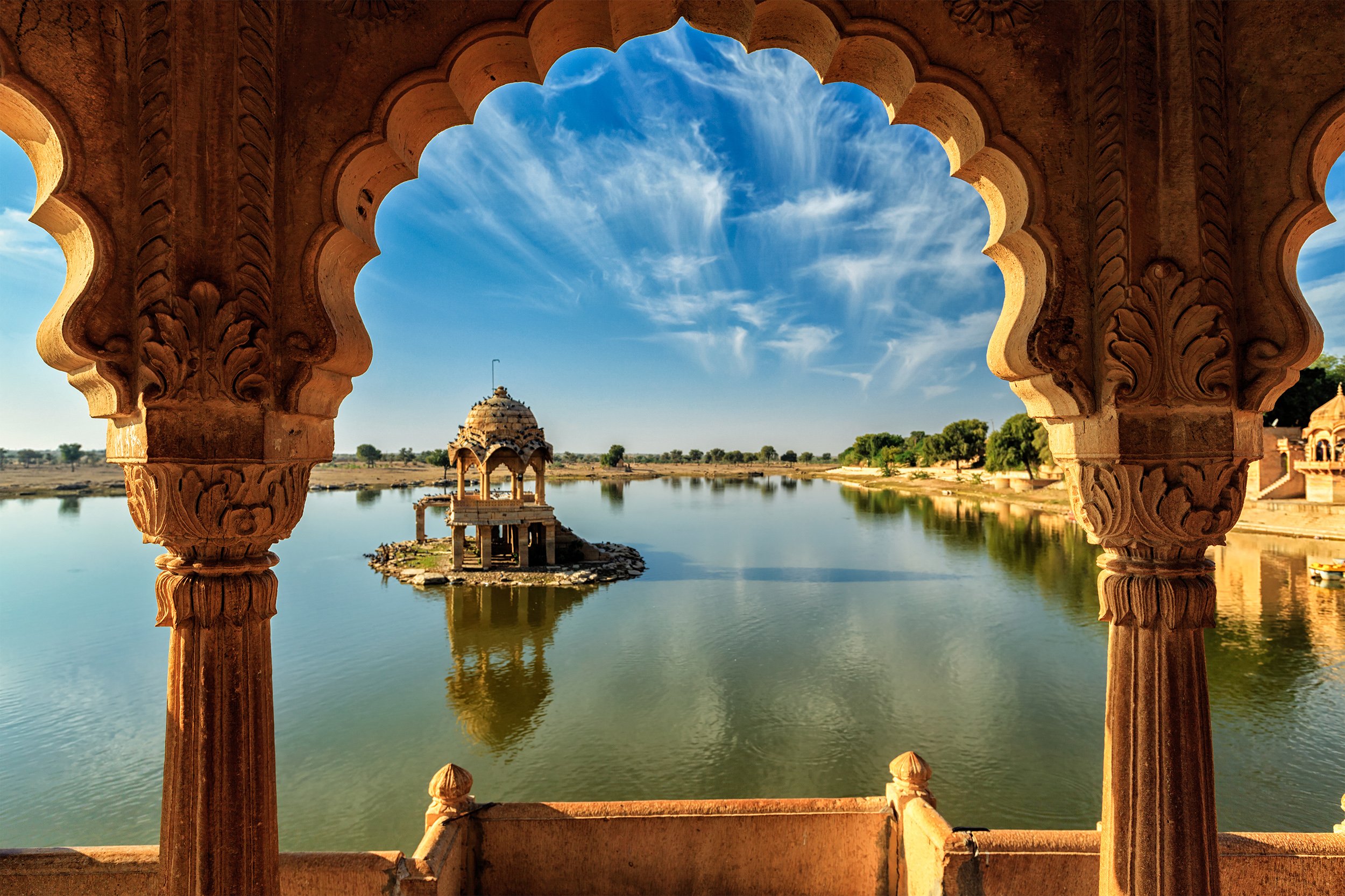
15-Day Textile Immersion
Journey into Rajasthan’s Textile Heartland
February & October 2027
Places are limited to eight guests.
Prices start from £6,000 per person,
based on own private bedrooms in heritage accommodation.
Living Traditions & Master Craftsmanship of Rajasthan
India’s craft traditions cannot be separated from the architecture and culture that created them. Once you see this, you cannot unsee it. That is when the country really comes alive.
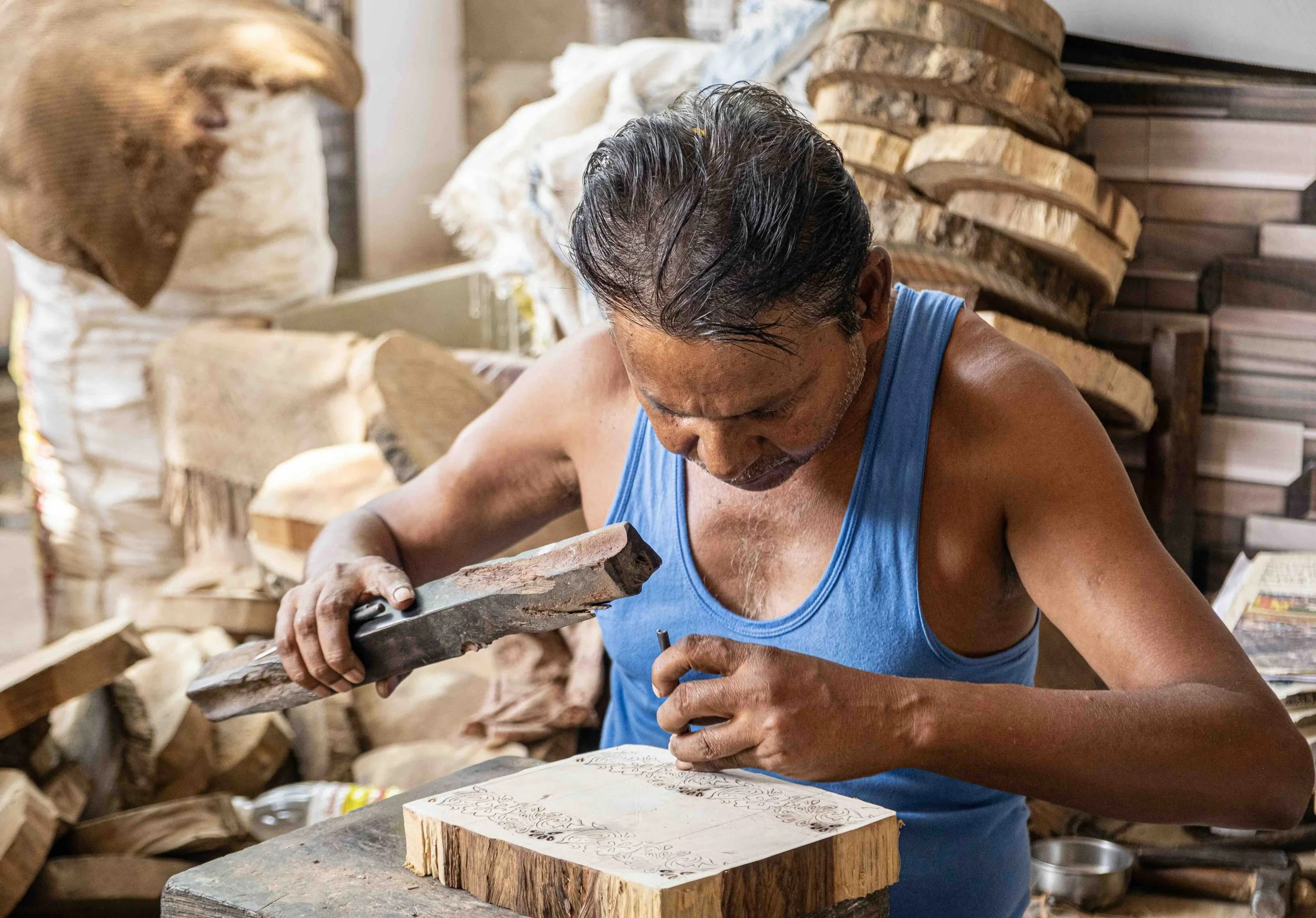
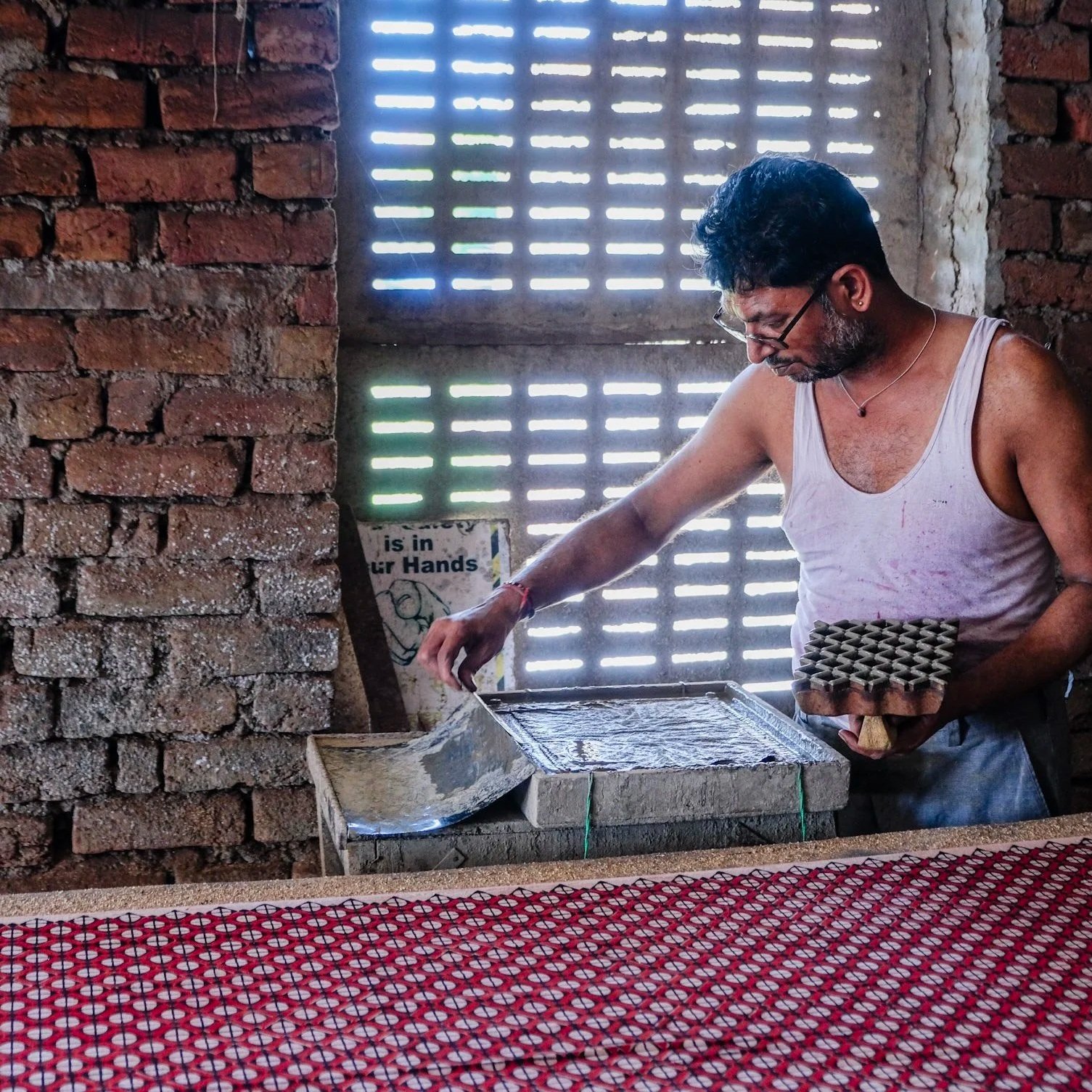
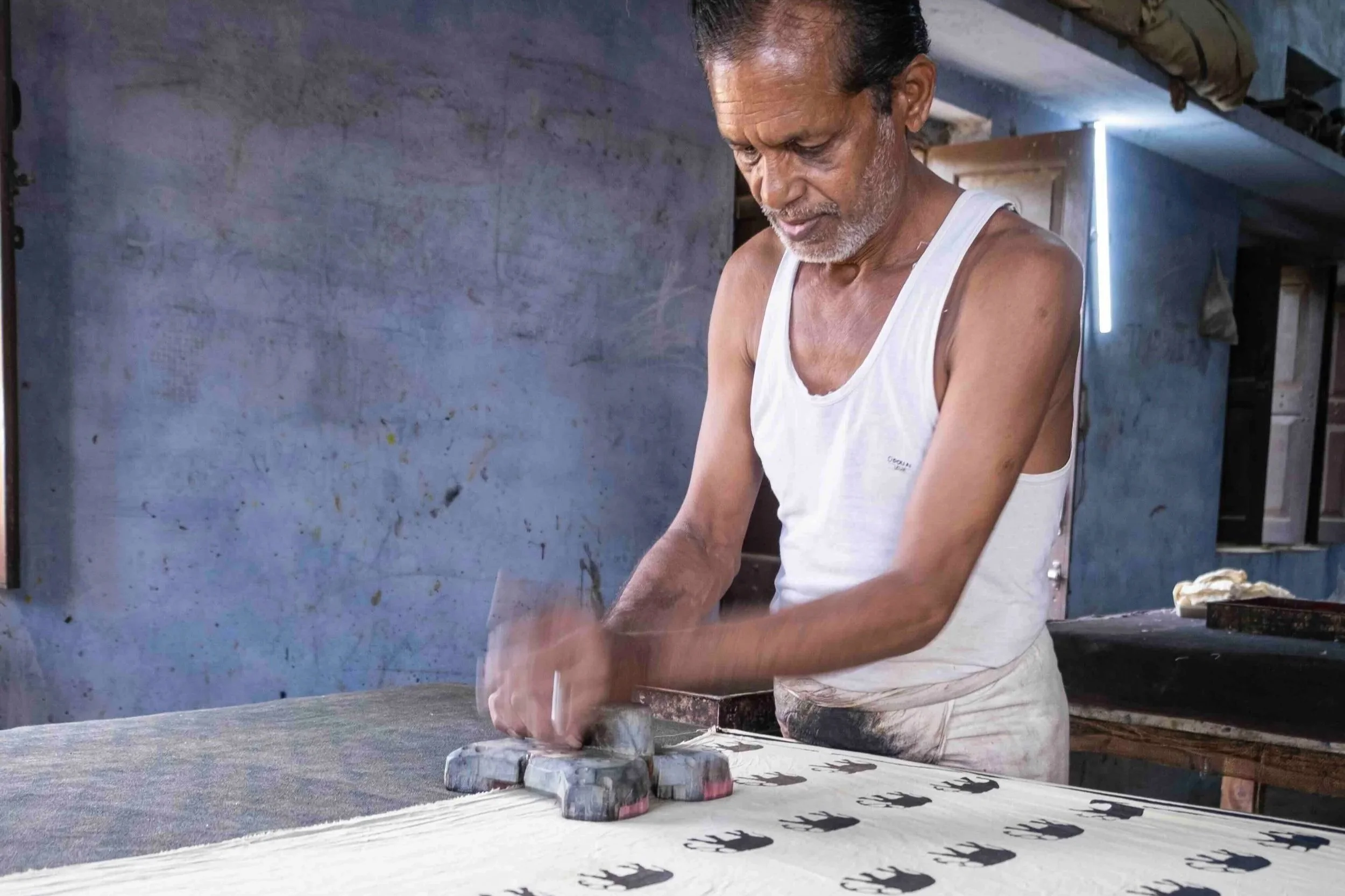
We spend our days in workshops and village homes, watching block printers at work, sitting with embroiderers and learning from master weavers. But we also wander through the forts, temples and palaces where those same patterns appear carved in stone. When those connections reveal themselves, it is extraordinary.
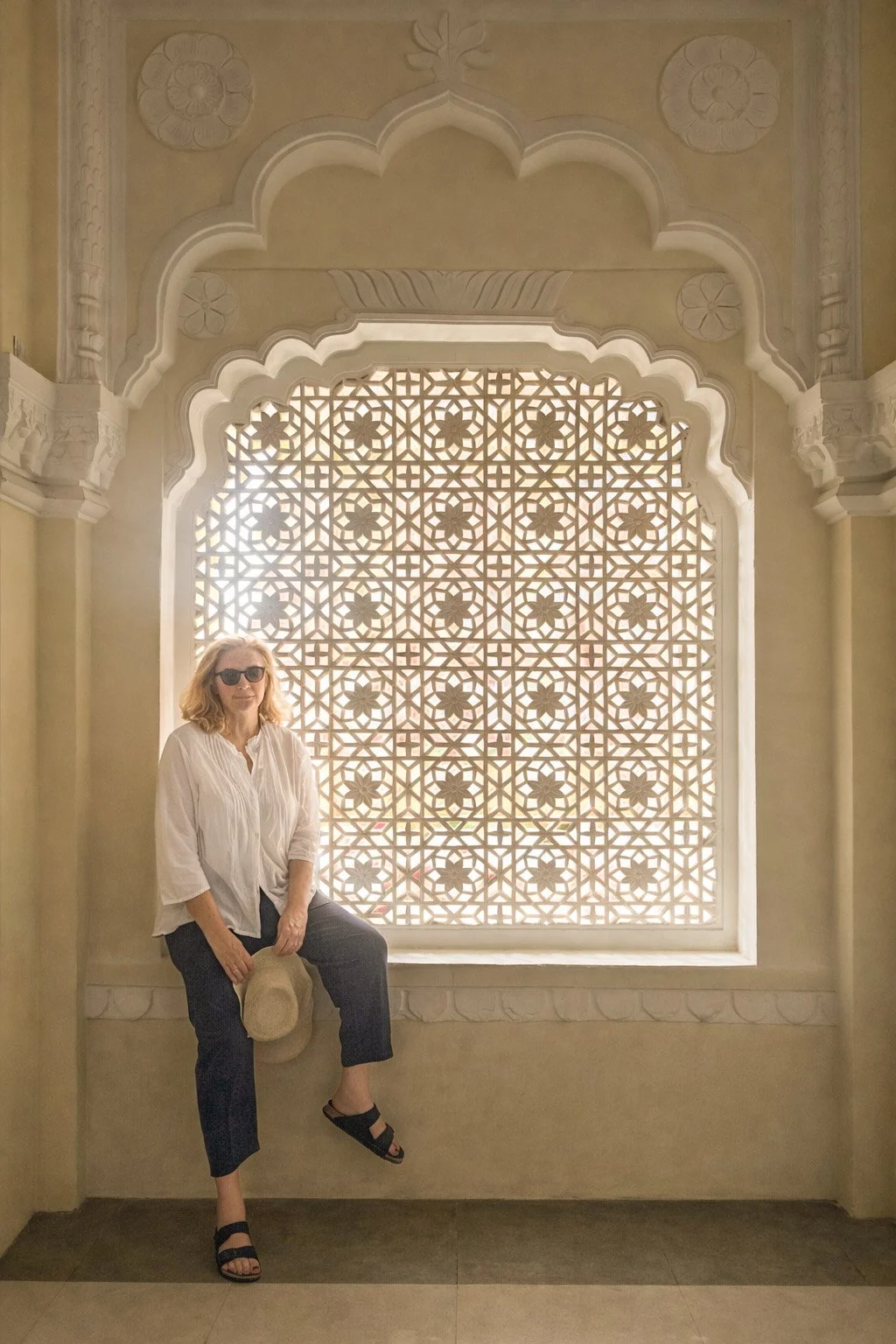
The intricate Jali screens carved in stone have been a fixture of Indian architecture for centuries; long before the Mughals arrived, these delicate lattices were used to soften the light and cool the air, while providing a private, shaded world for women.
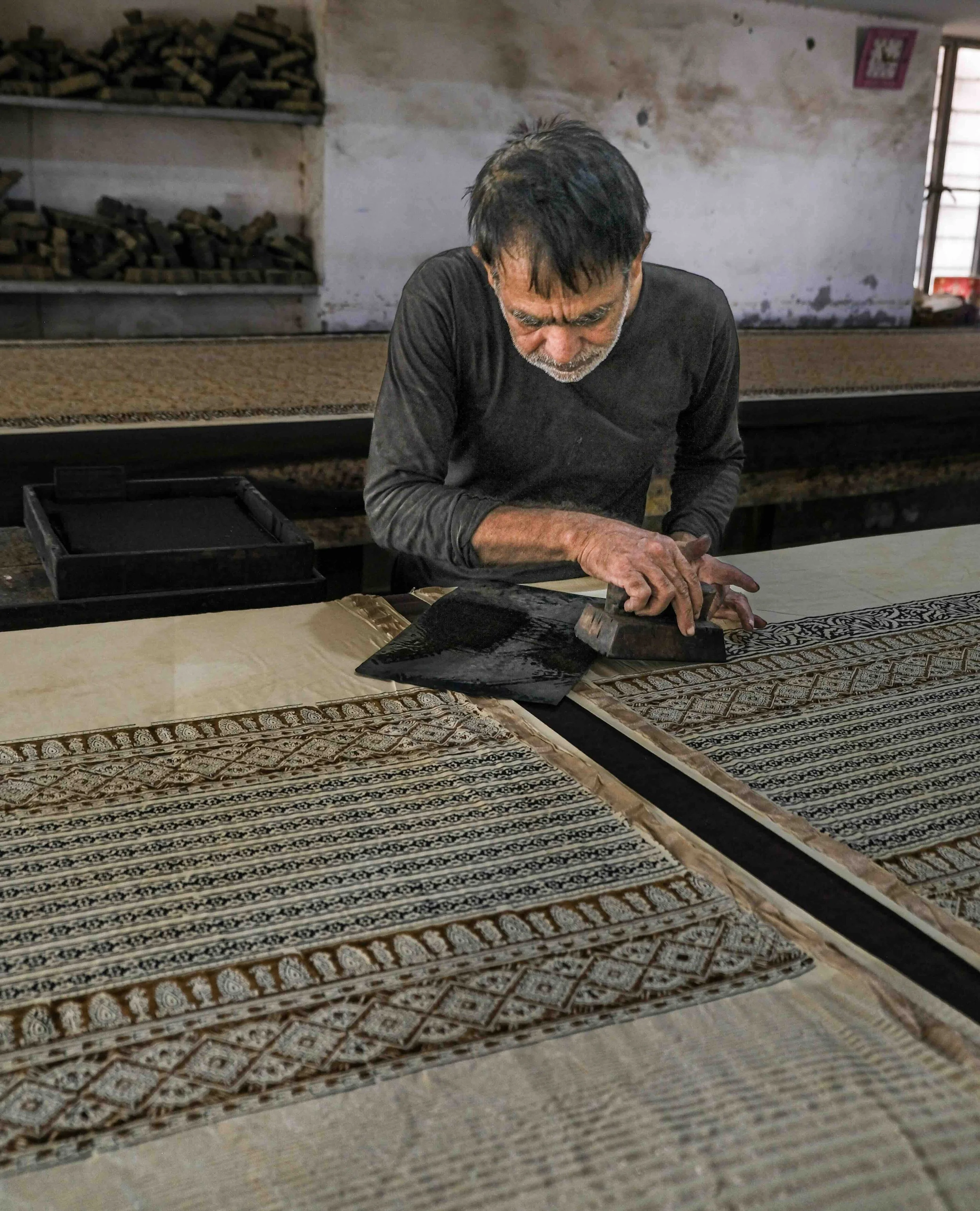
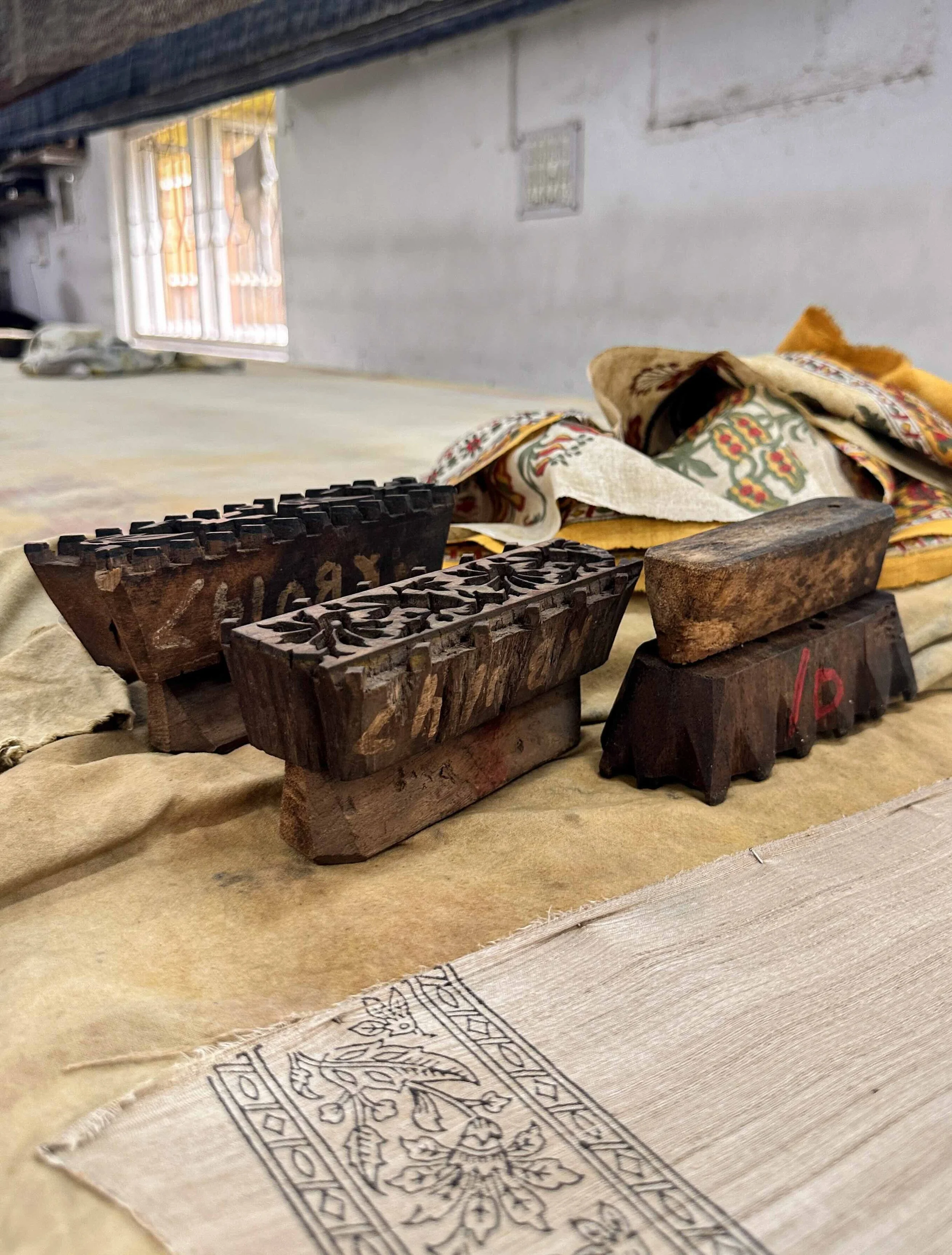
Look closely at the carved wooden printing blocks of Bagru and Sanganer, and the same geometry appears. This is not a coincidence; the royal courts that commissioned those palace screens also employed the block printers in their Karkhanas (specialised workshops). The patterns moved directly from stone to cloth, shaped by different hands working under the same roof.
The women behind those Jali screens wore fabrics printed with the very motifs carved into the stone before them. The peacock on the palace wall reappeared in the embroidery of their shawls; the temple flower became the block-printed border. These were never separate worlds. They were the same world, simply expressed in different materials.
For deeper insights into this cultural connection, our journeys will uncover the artistic traditions of Rajasthan that keep these links alive today.
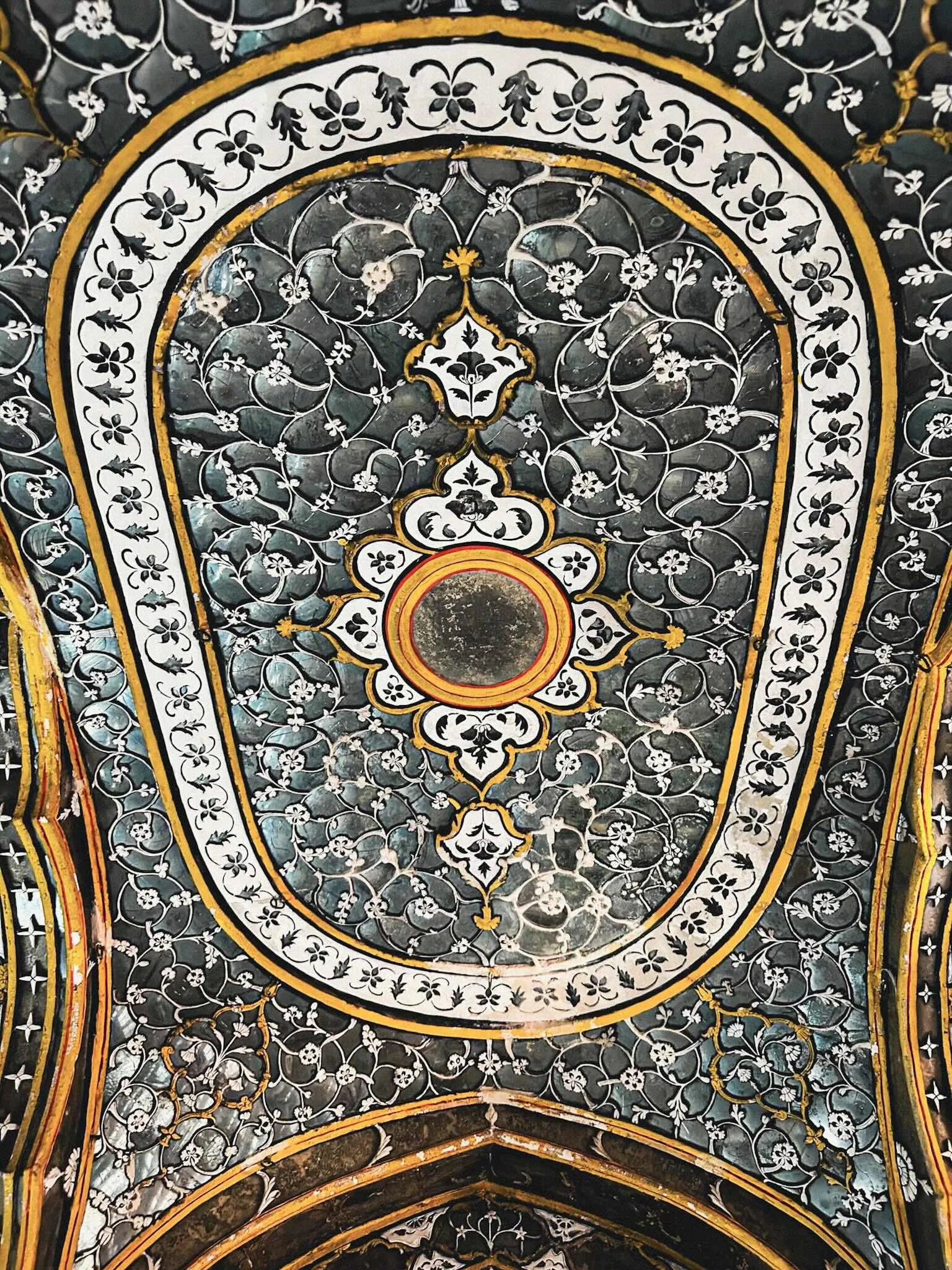
Floral ceiling, City Palace, Jaipur
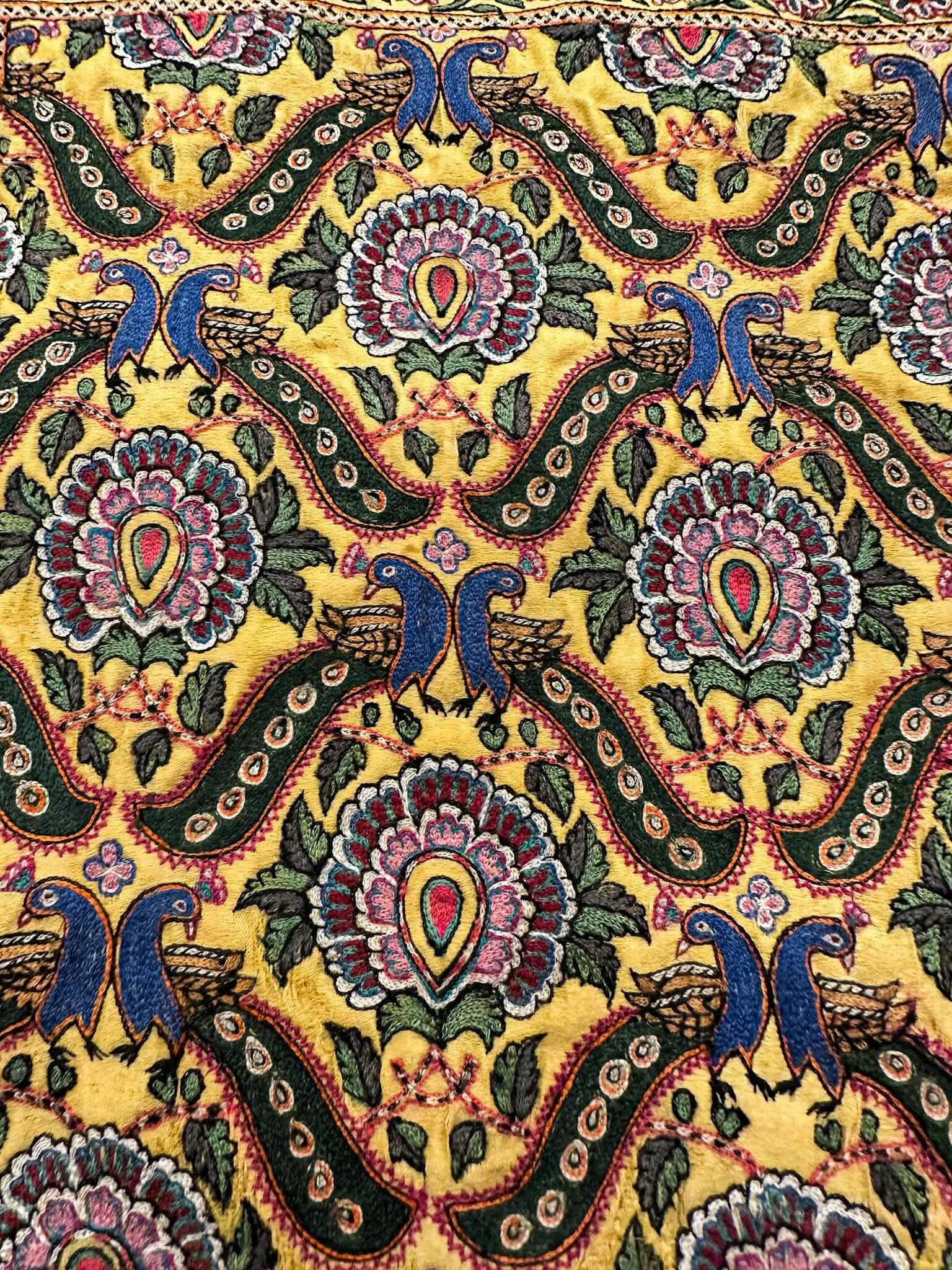
Embroidered antique silk skirt, Jaipur Royal household – private collection
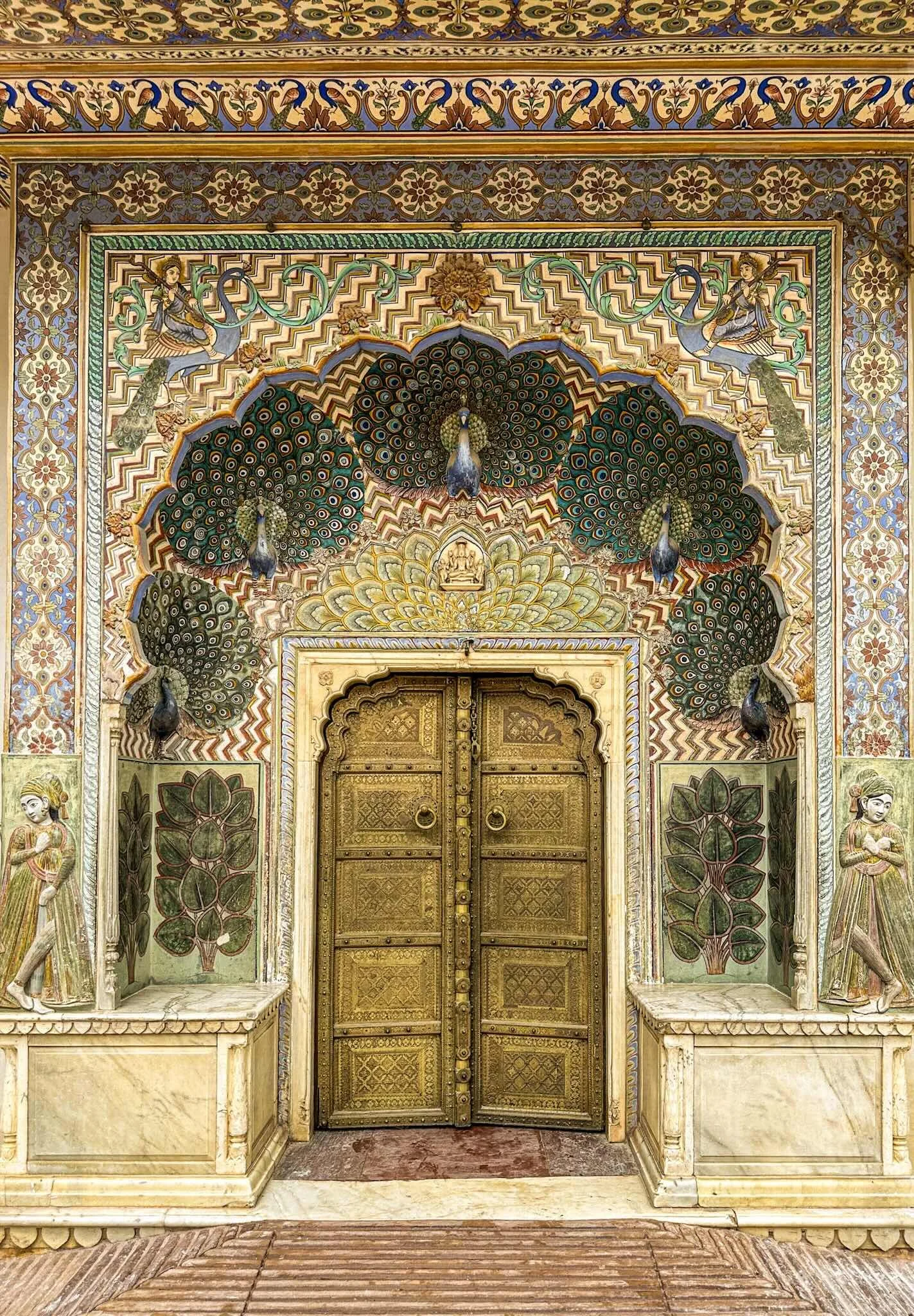
Peacock Gate, City Palace, Jaipur
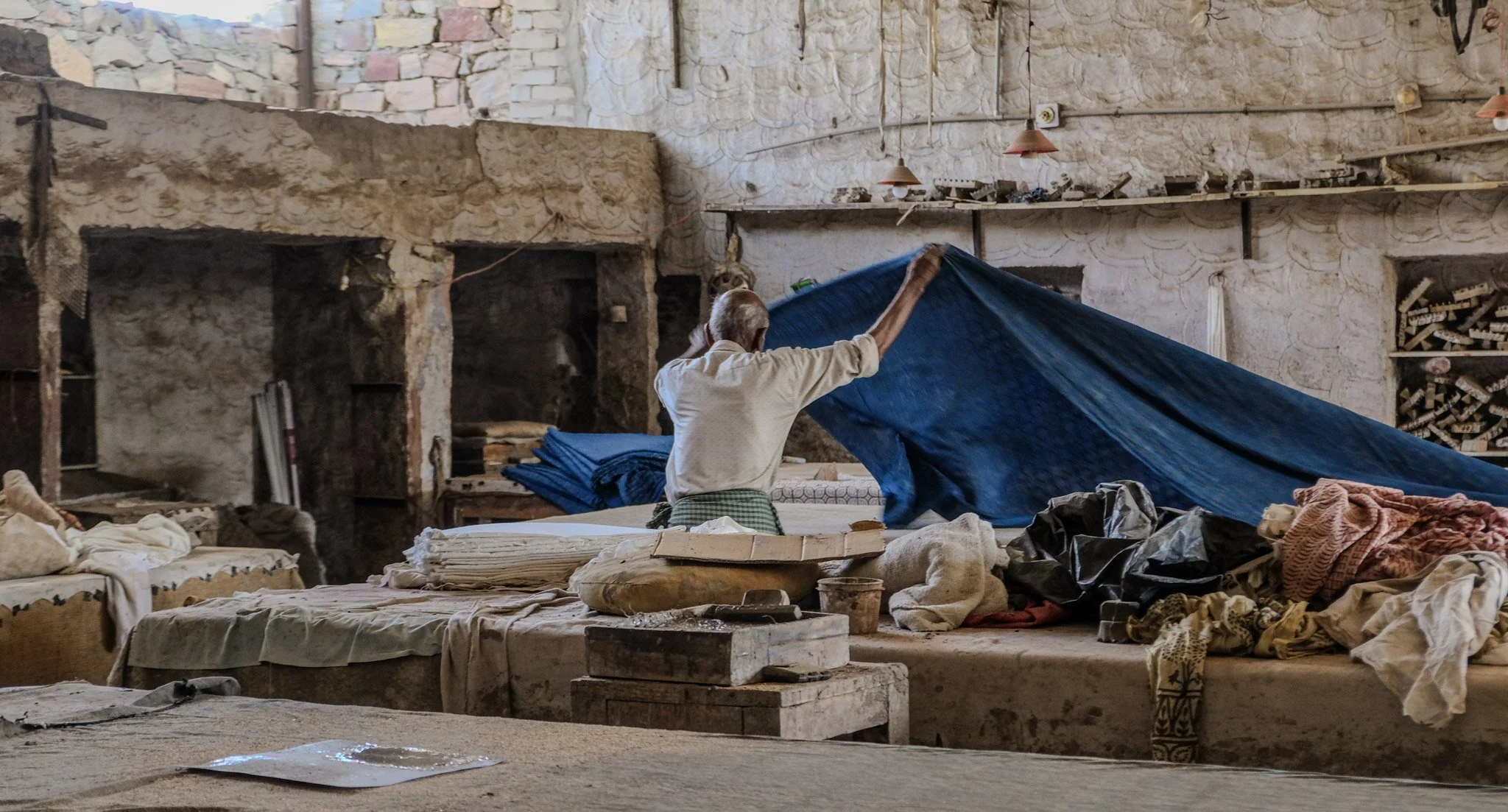
This is living history, not the kind found in guidebooks, but the kind held in a craftsman’s hands or shared in a conversation over chai.
The artisans we visit are the custodians of traditions that carry centuries of meaning in every pattern. Understanding those roots changes how you see everything: the monuments, the markets, and the country itself. That is the heart of these journeys, moving beyond observation to truly see the soul of India through the people who create it.
That’s what these journeys are really about.
What You’ll Experience
The Master’s Studio
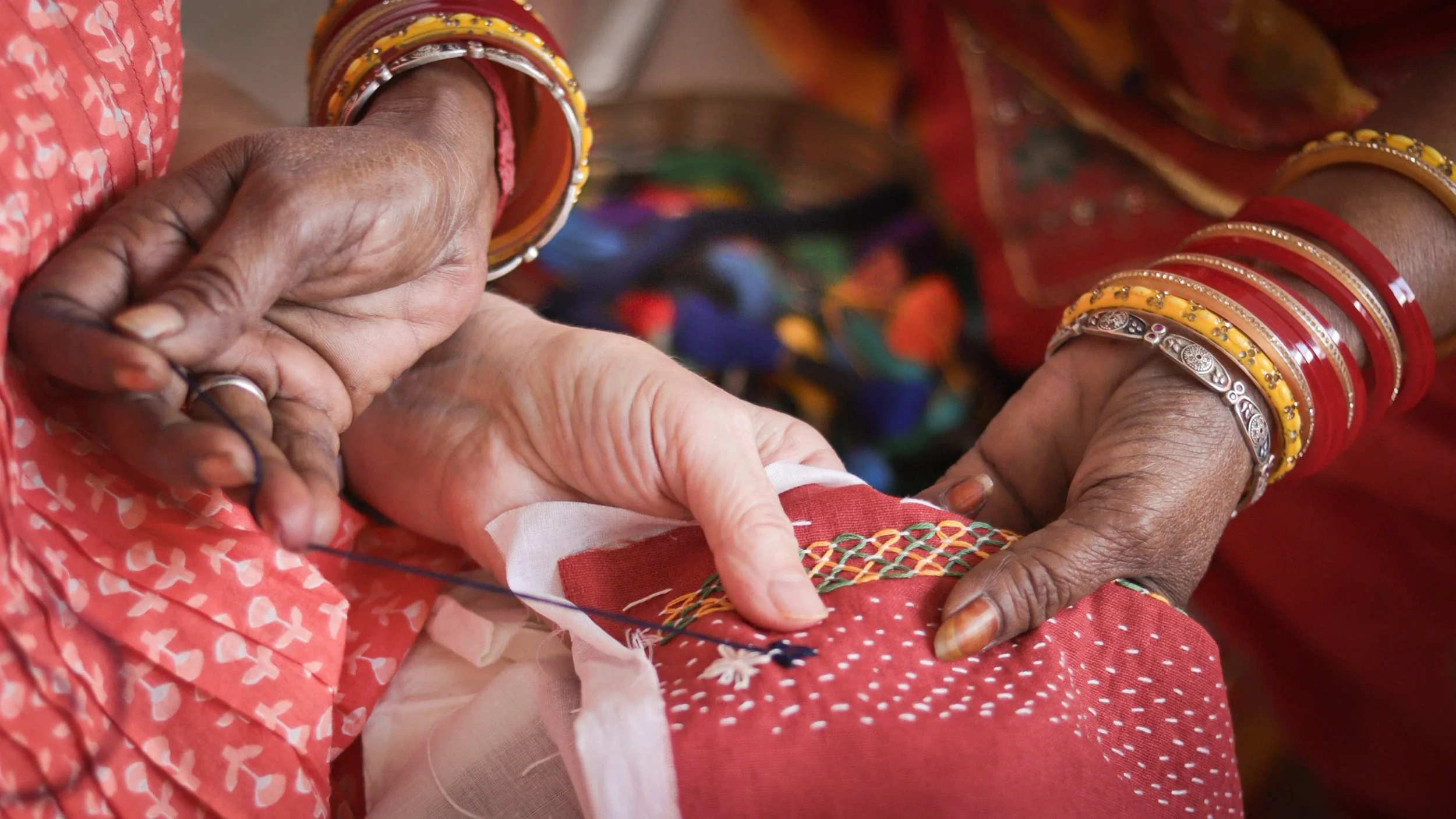
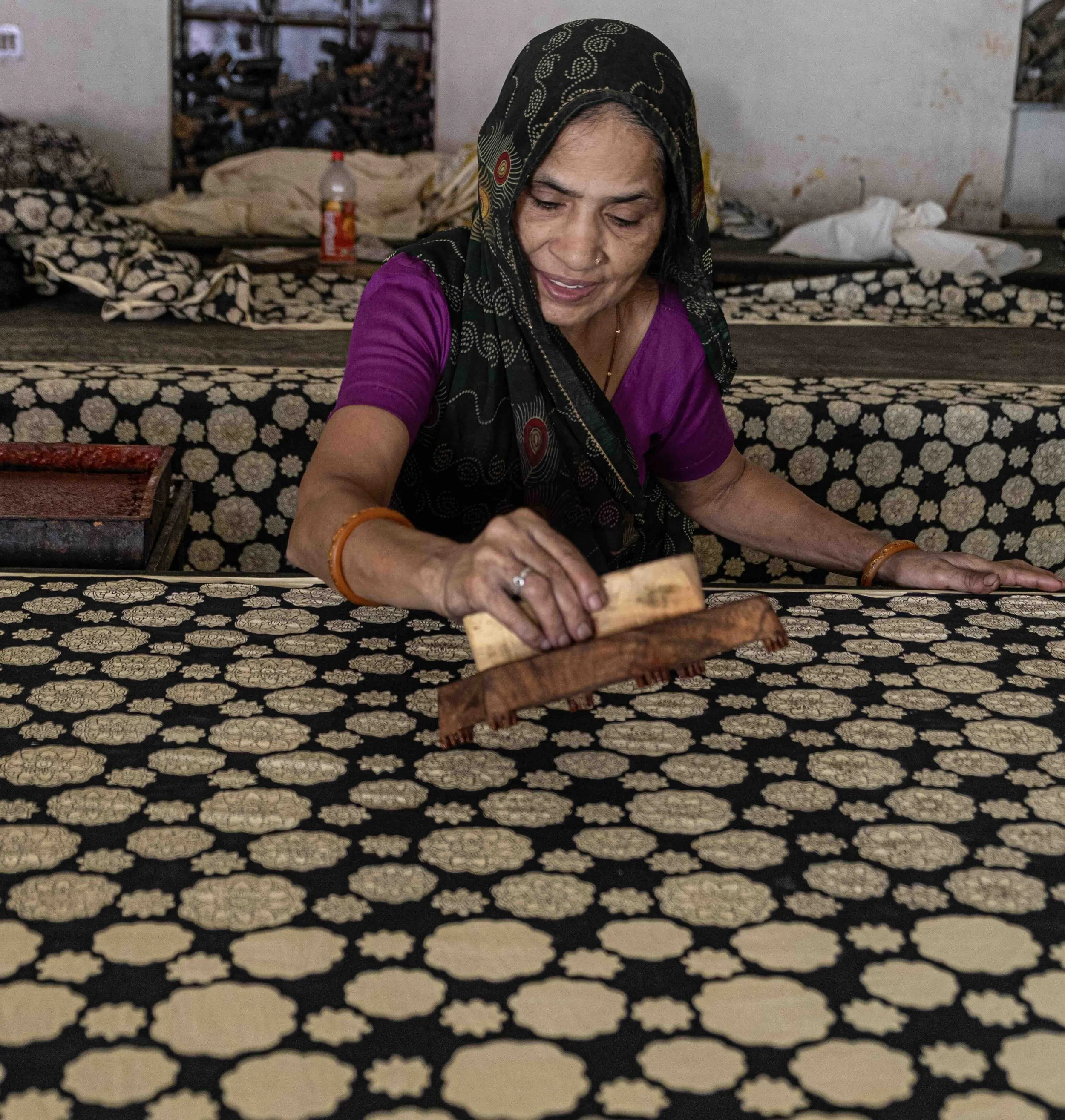
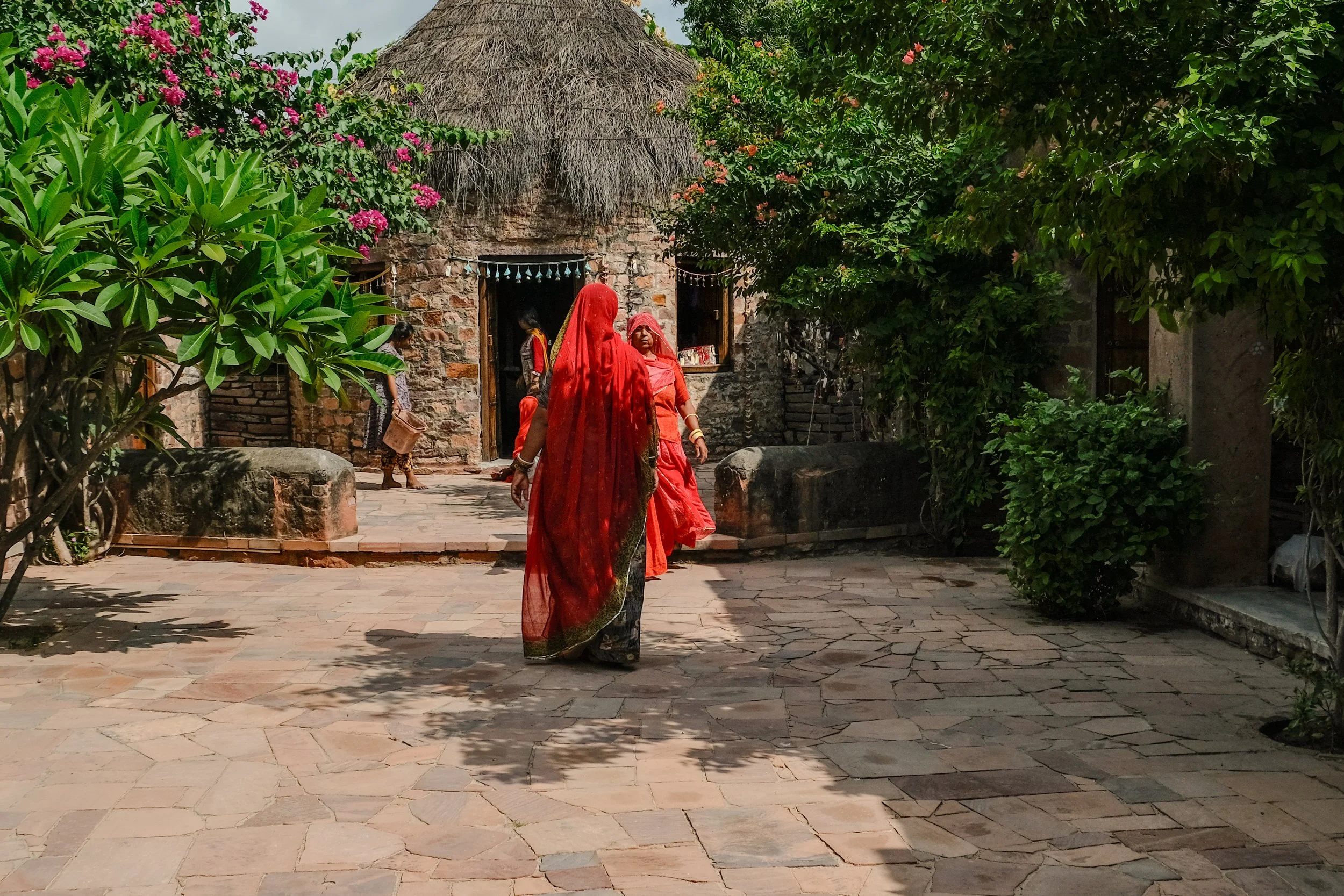
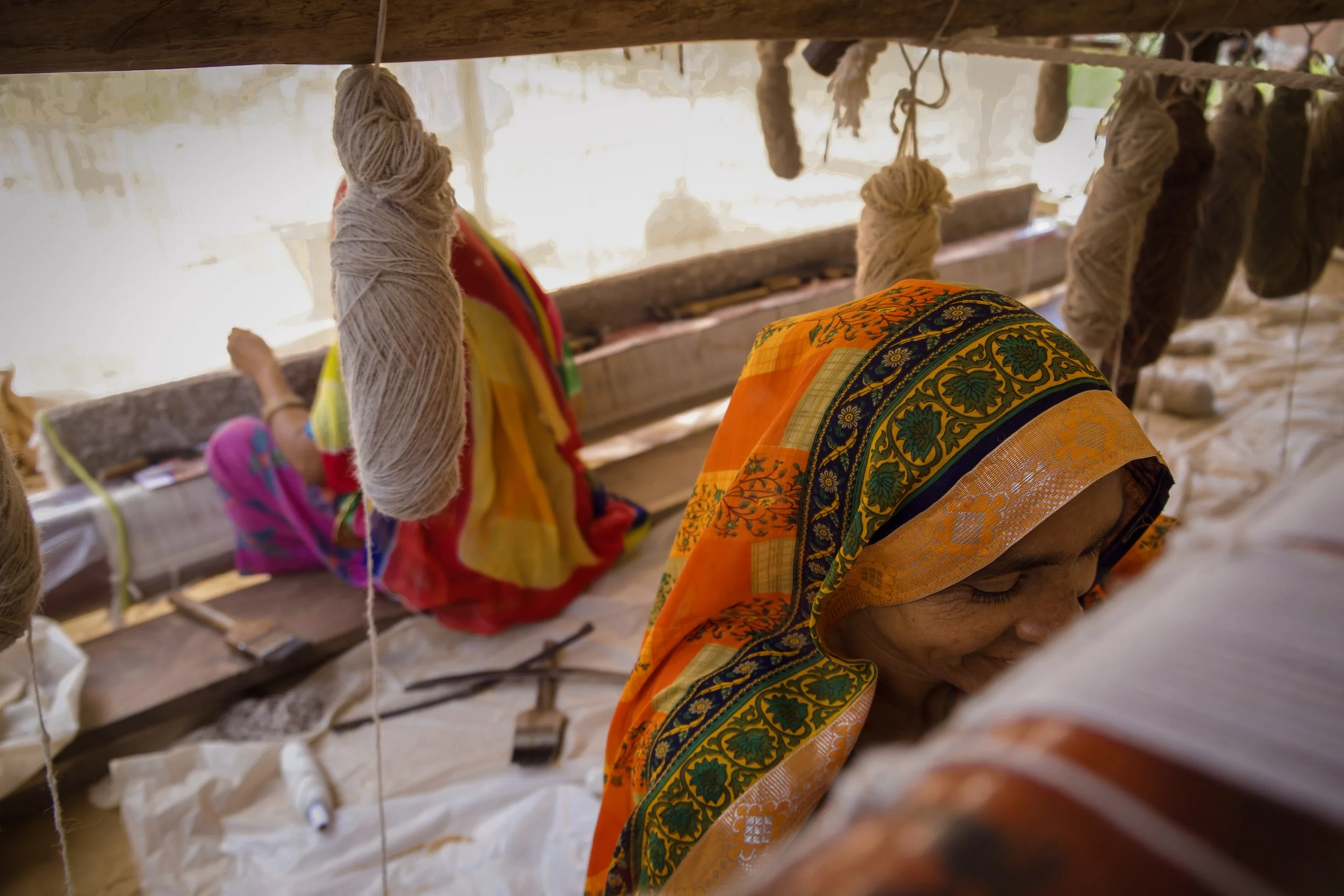
We meet master block printers, weavers, embroiderers, quilters and dyers, welcomed into working studios and family homes not as visitors, but as guests.
We will sit in Pipar, Bagru and Sanganer to explore the distinct language of each region. From the deep natural indigo vats of the desert to the fine, floral geometries of the city, you will see how local water, sun and soil shape the final cloth.
We sit beside the makers as they work, watching techniques passed down over centuries. For those who want a truly immersive experience, we work alongside the artisans printing, dyeing and stitching, understanding the quiet alchemy through our own hands.
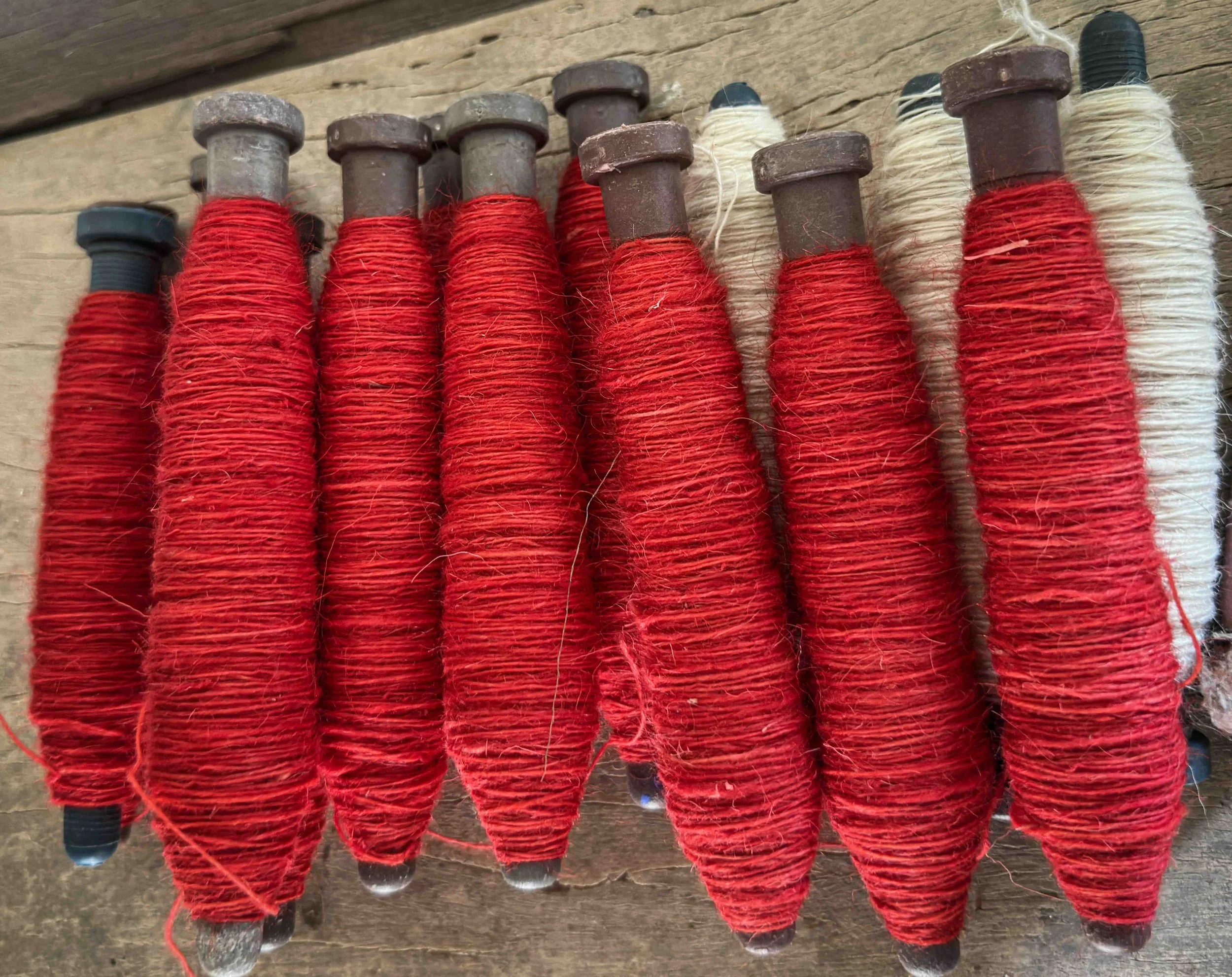
Curated
Stays in Heritage Homes
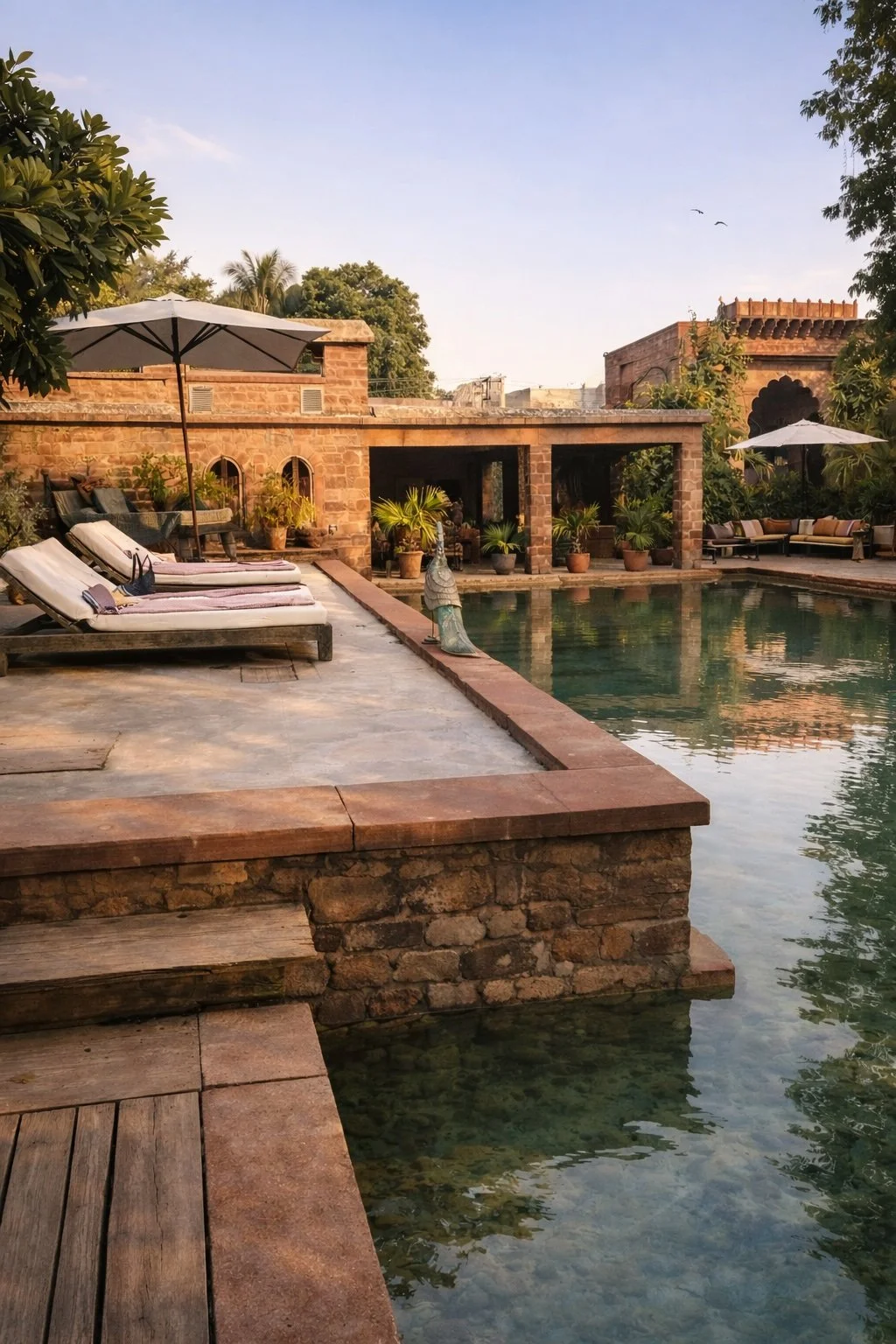
The quiet geometry of a Jodhpur haveli.
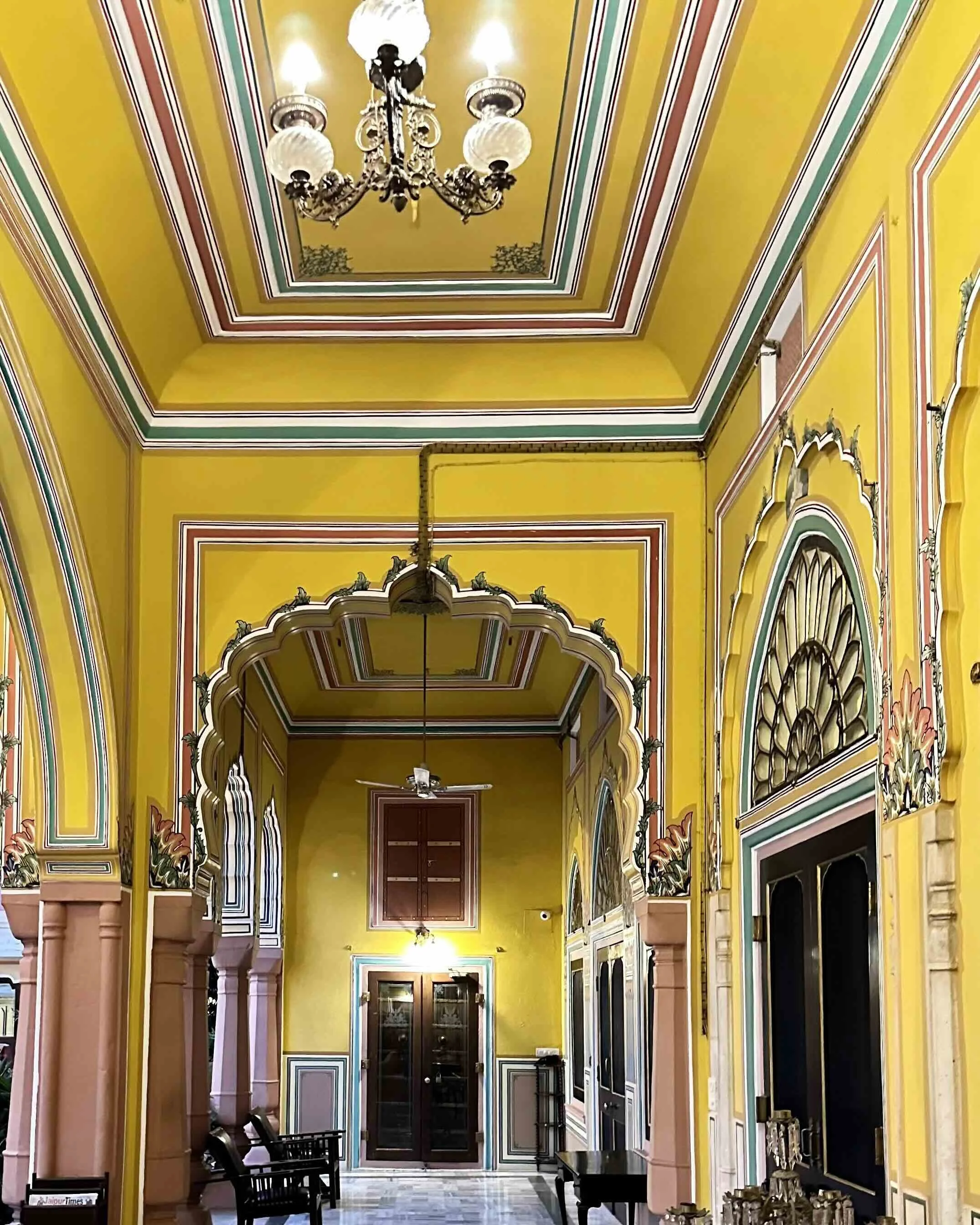
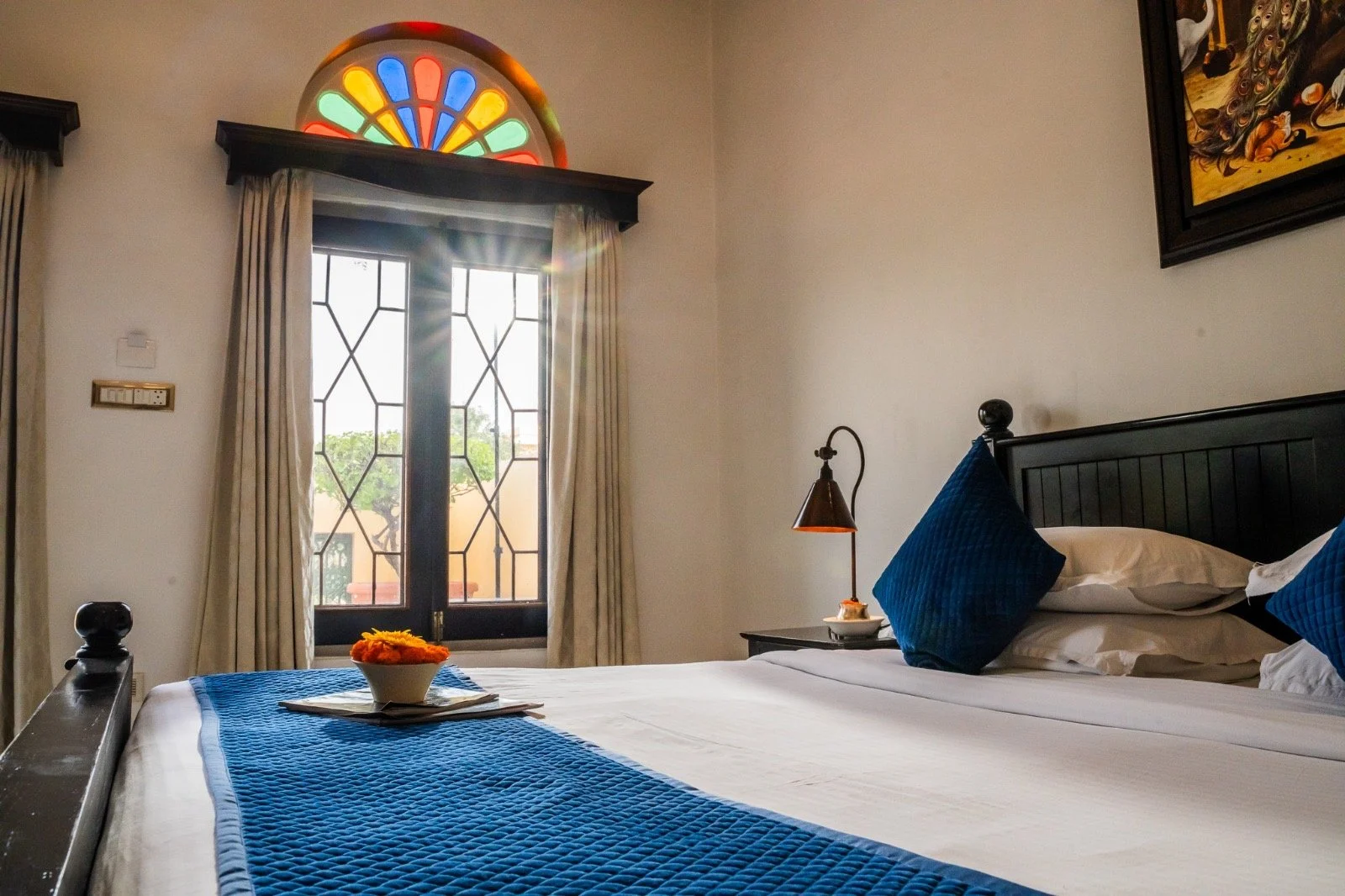
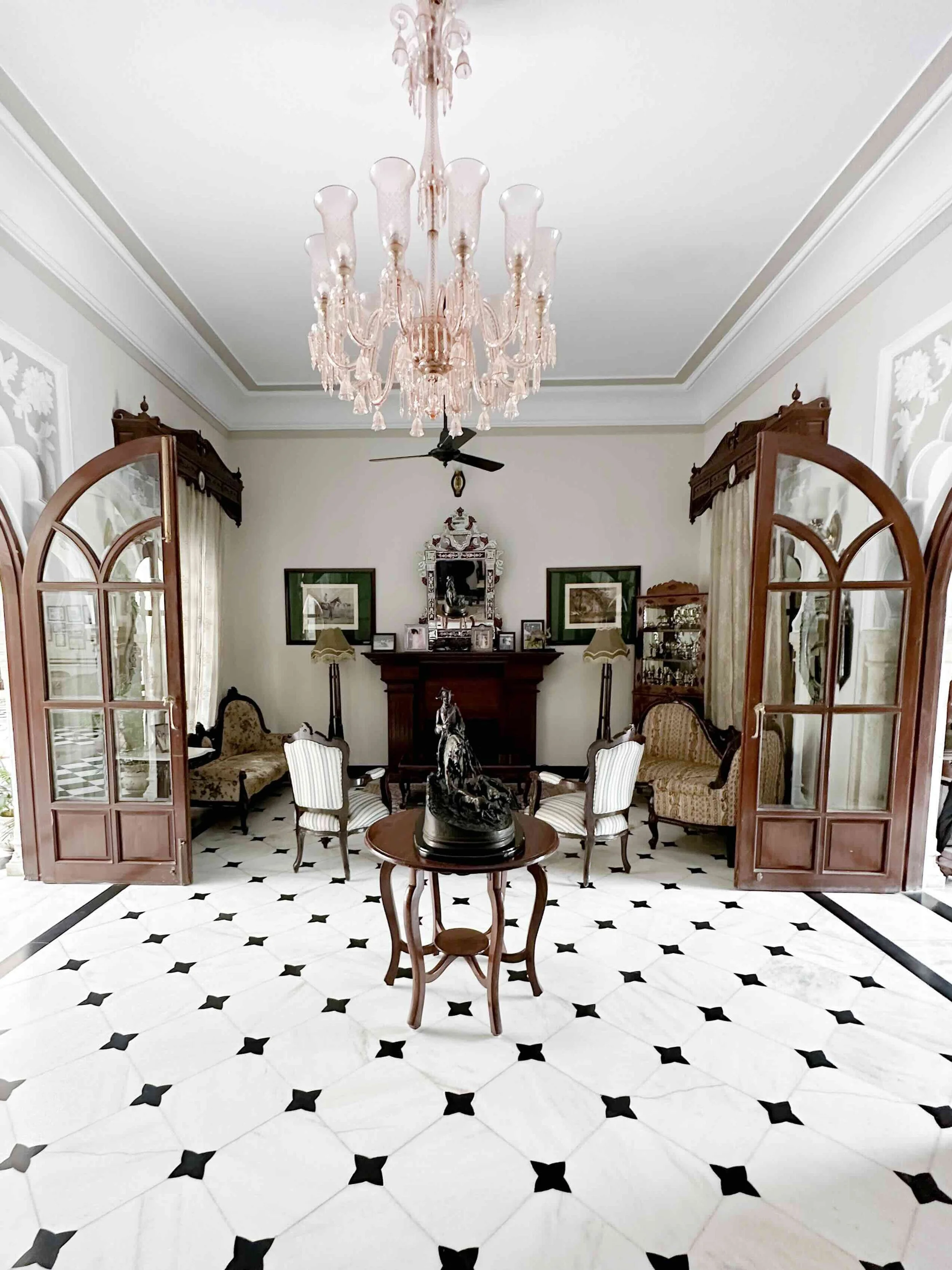
Where we rest is as much a part of the story as where we wander. I choose every location with a designer's eye and a traveler’s rigor, staying in each haveli personally every season to ensure the quality, security and soul of the space remain impeccable.
We avoid impersonal chains, staying instead in private heritage homes owned by collectors and designers. These are soulful sanctuaries filled with curated libraries, rare art and extraordinary textiles.
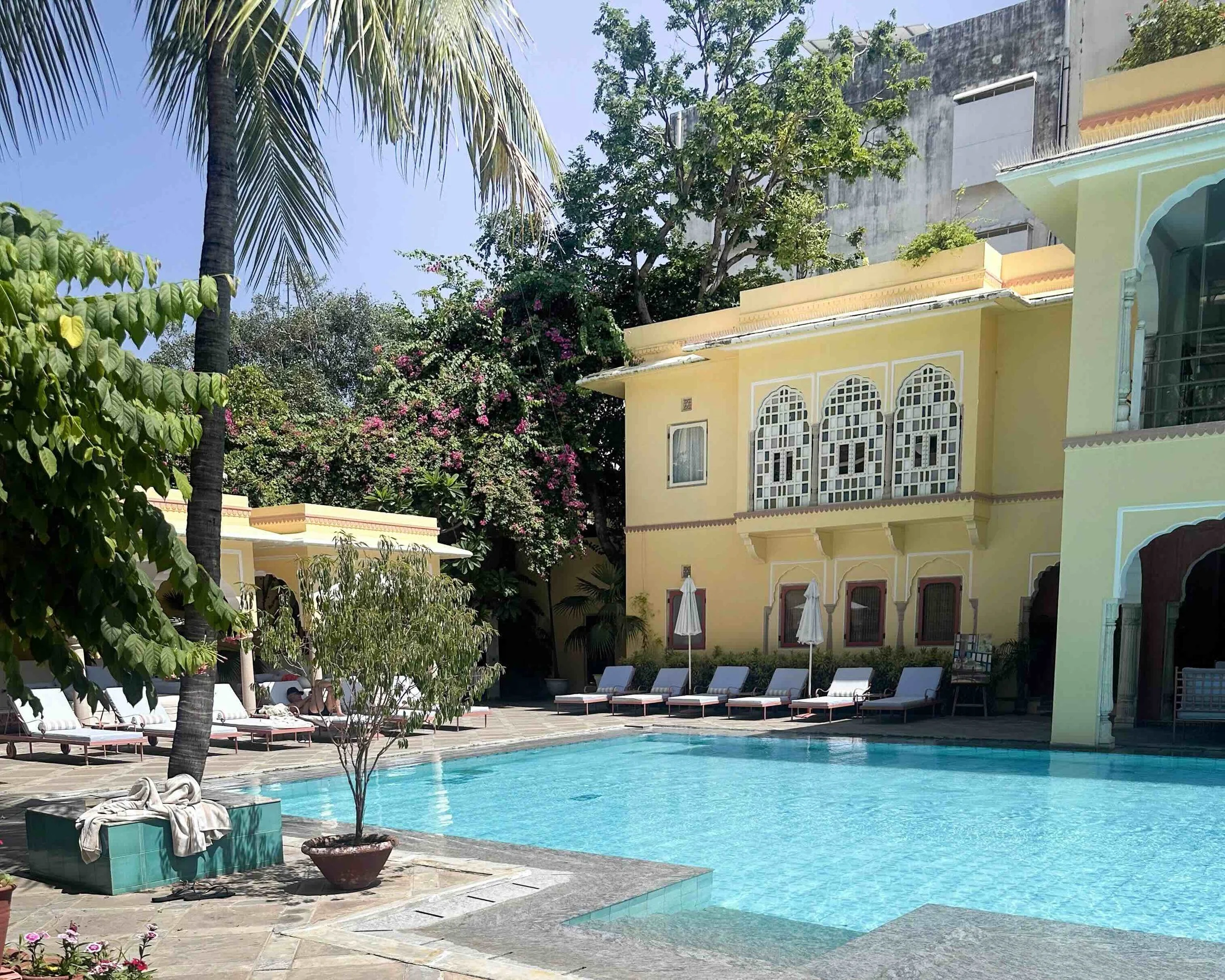
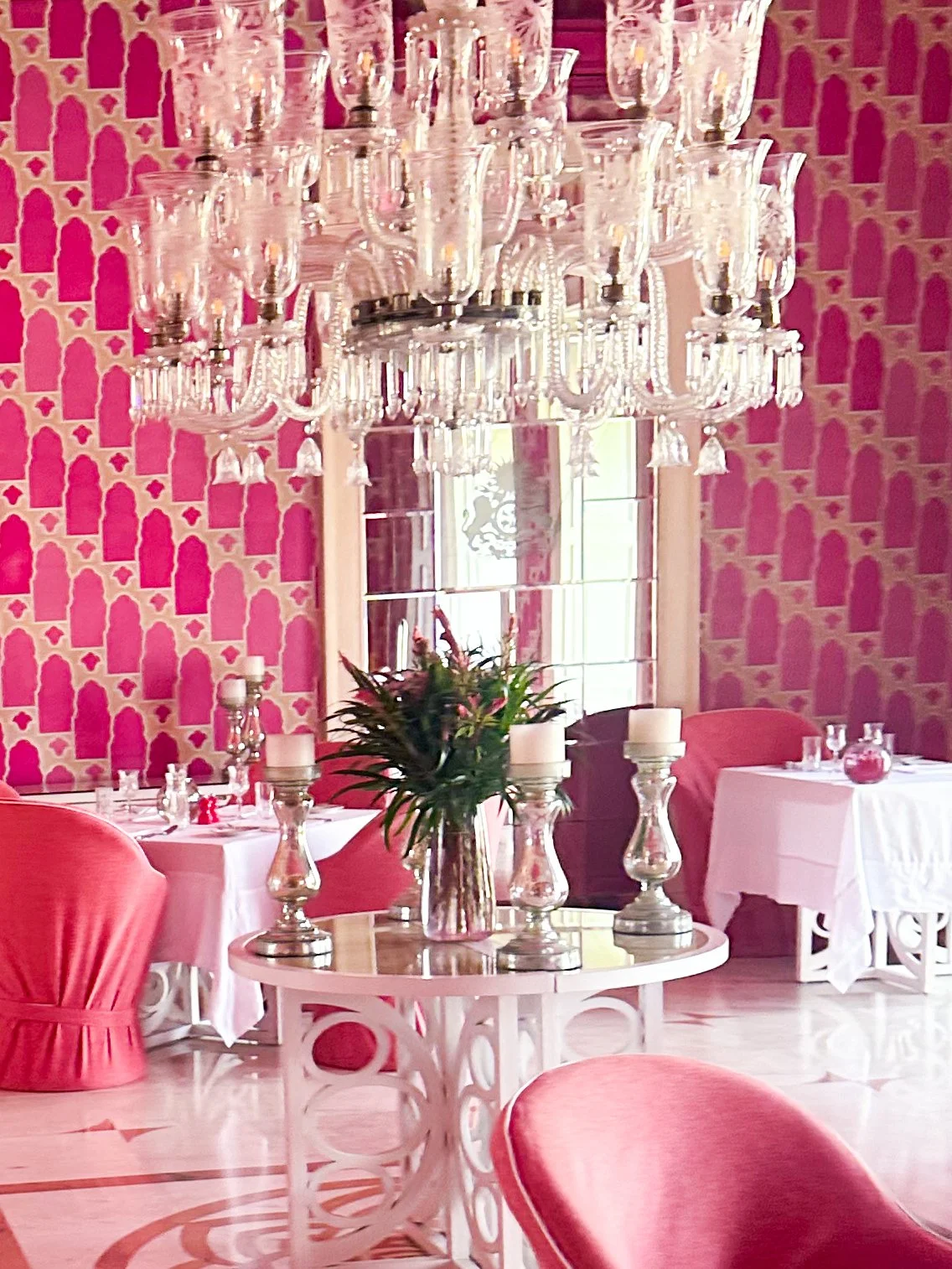
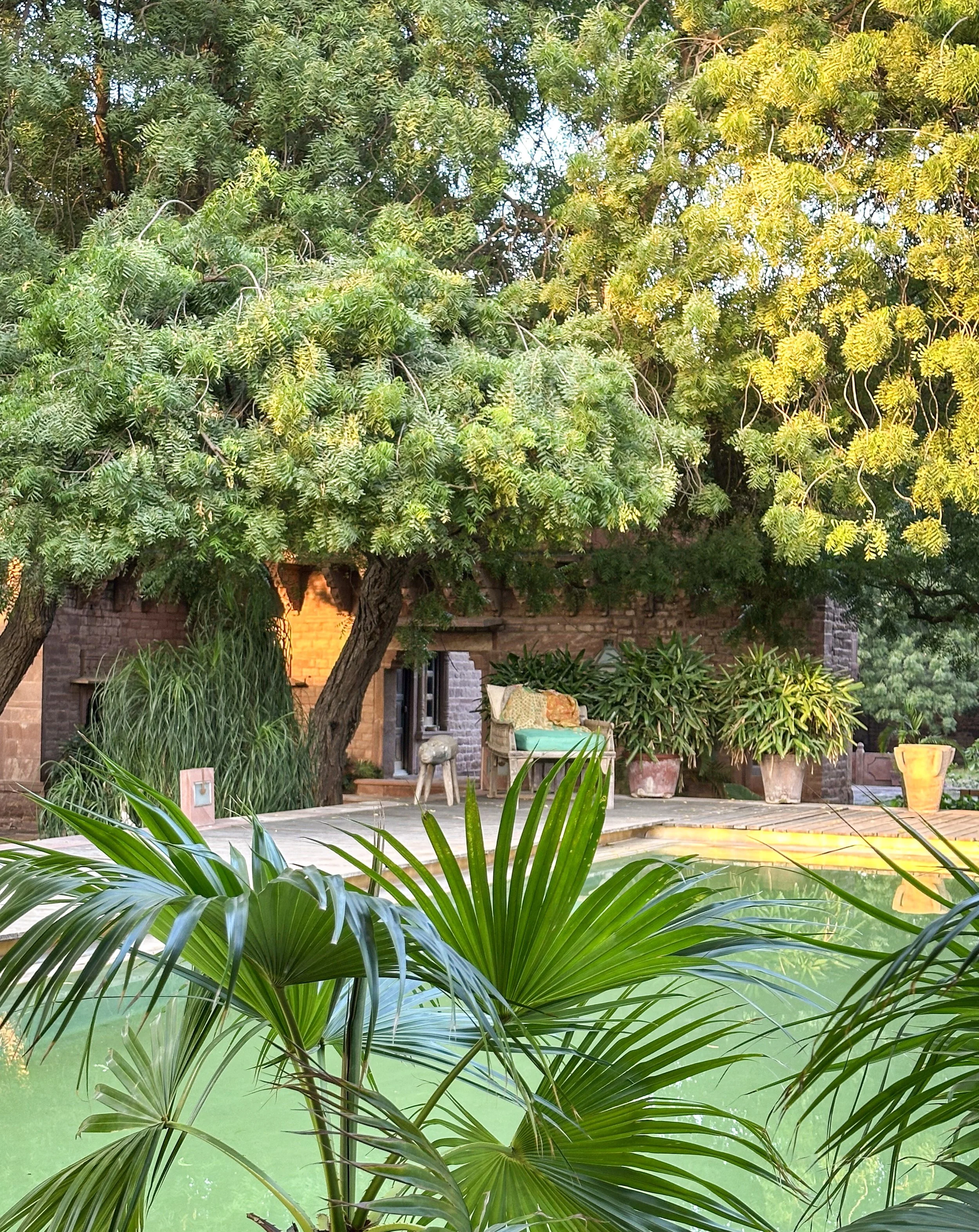
The experience extends to the table. Whether it is the farm-to-table Nepalese fusion in the lush gardens of Sukh Sagar Haveli or traditional family recipes in a desert retreat, the food is a highlight of the journey. I prioritise places where the ingredients are local, the hospitality is genuine and the large, quiet gardens offer a peaceful space to reflect at the end of a creative day.
Thank you again for an inspiring and varied itinerary, visiting so many places that it would have been impossible for us to have discovered on our own! It was a privilege to have been invited into so many villages, to see age-old techniques used to produce modern prints and to meet local women who freely shared their skills with us.
Jenni
Is this Journey for You?
You’ve travelled before; you aren't looking for a checklist.
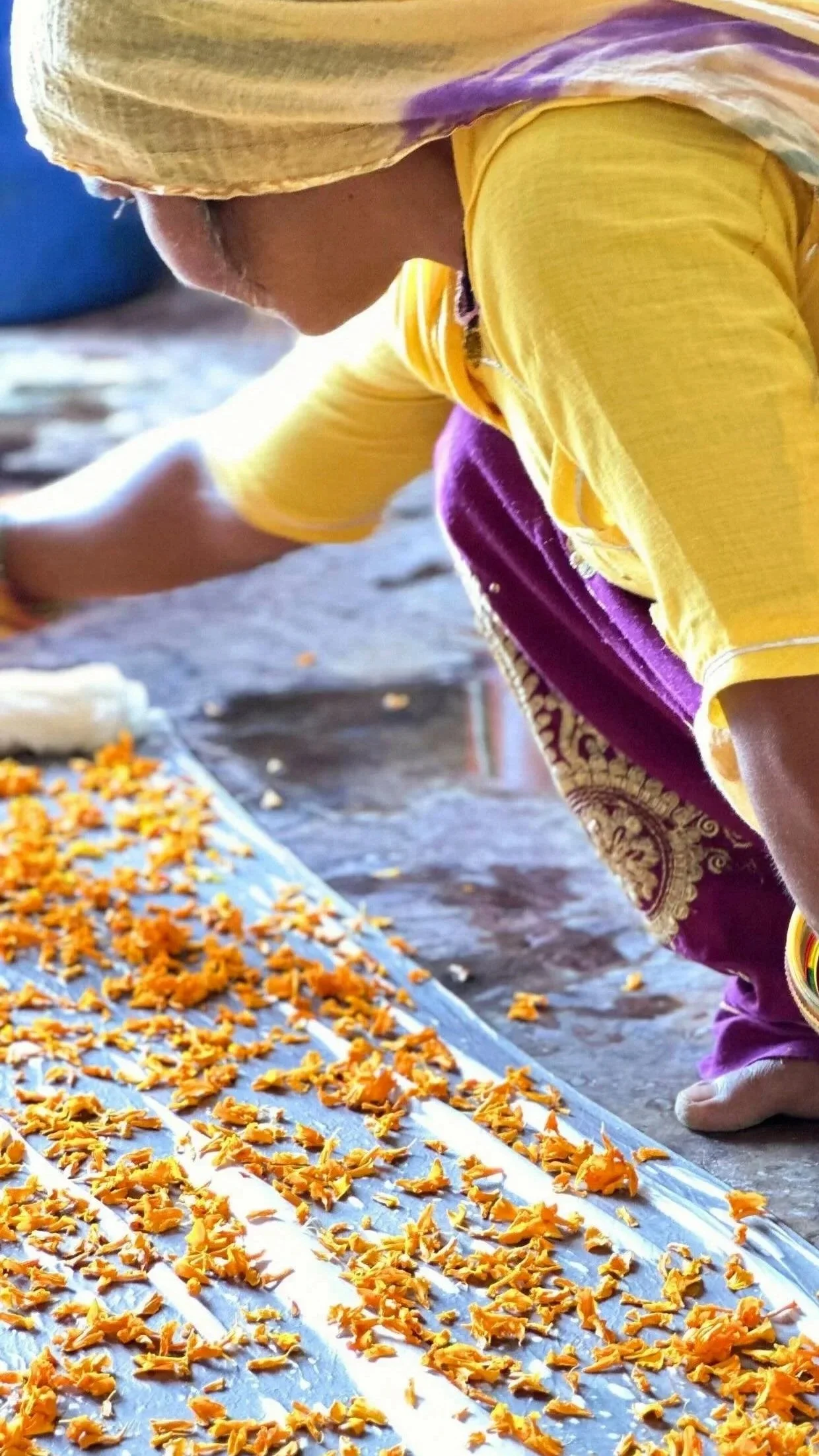
You are drawn to the depth and heritage behind India’s legendary textiles, from the indigo vats of Rajasthan and hand-carved wooden blocks to the intricate rhythms of weaving and embroidery. For you, it isn't just about the finished piece, but the quiet alchemy of the process: colours coaxed from roots and bark, and the mastery of hands that have practised these skills for generations.
You value a thoughtful pace. You prefer slow travel and meaningful access over rigid sightseeing. You’re also looking for a way to travel that respects and supports the places we visit, ensuring our presence helps sustain the very crafts we’ve come to admire.
You’re comfortable navigating the beautiful complexity of India, from the bustling markets of old cities to the quiet dust of desert villages.
You are looking for authentic cultural immersion and to skip the tourist traps.
A note on the journey:
We move with the rhythm of the place. This means being comfortable on your feet as we explore ancient monuments, walk through vibrant artisan colonies, and step into village homes.
You don’t need to be an athlete, but an adventurous spirit and a steady step will help you get the most out of the landscapes we traverse.
Many women return from these journeys seeing the world differently with fresh eyes, new skills, and a deep connection to the extraordinary hospitality of the people they've met.
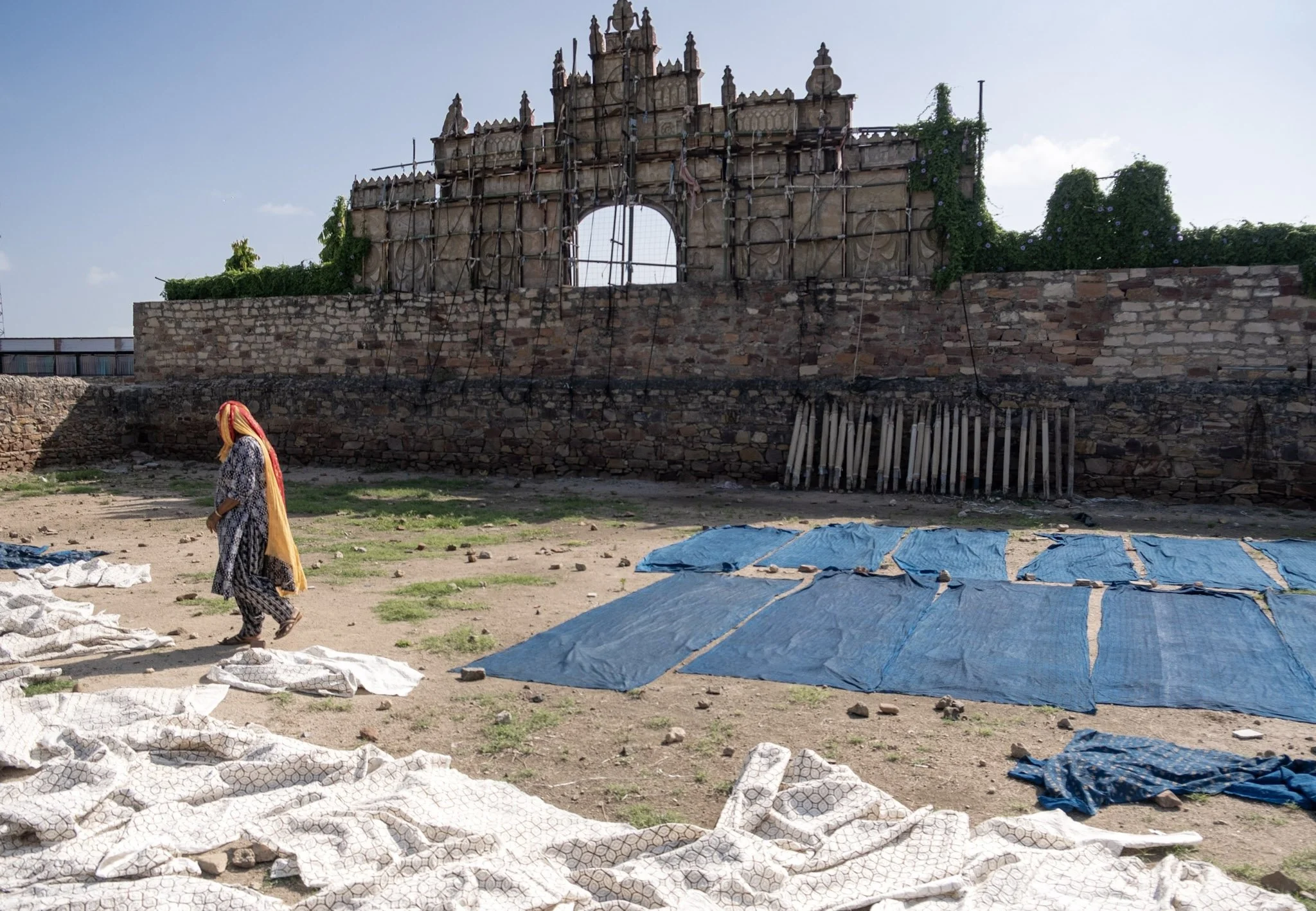
From the desert workshops of Pipar to the historic looms of Udaipur.
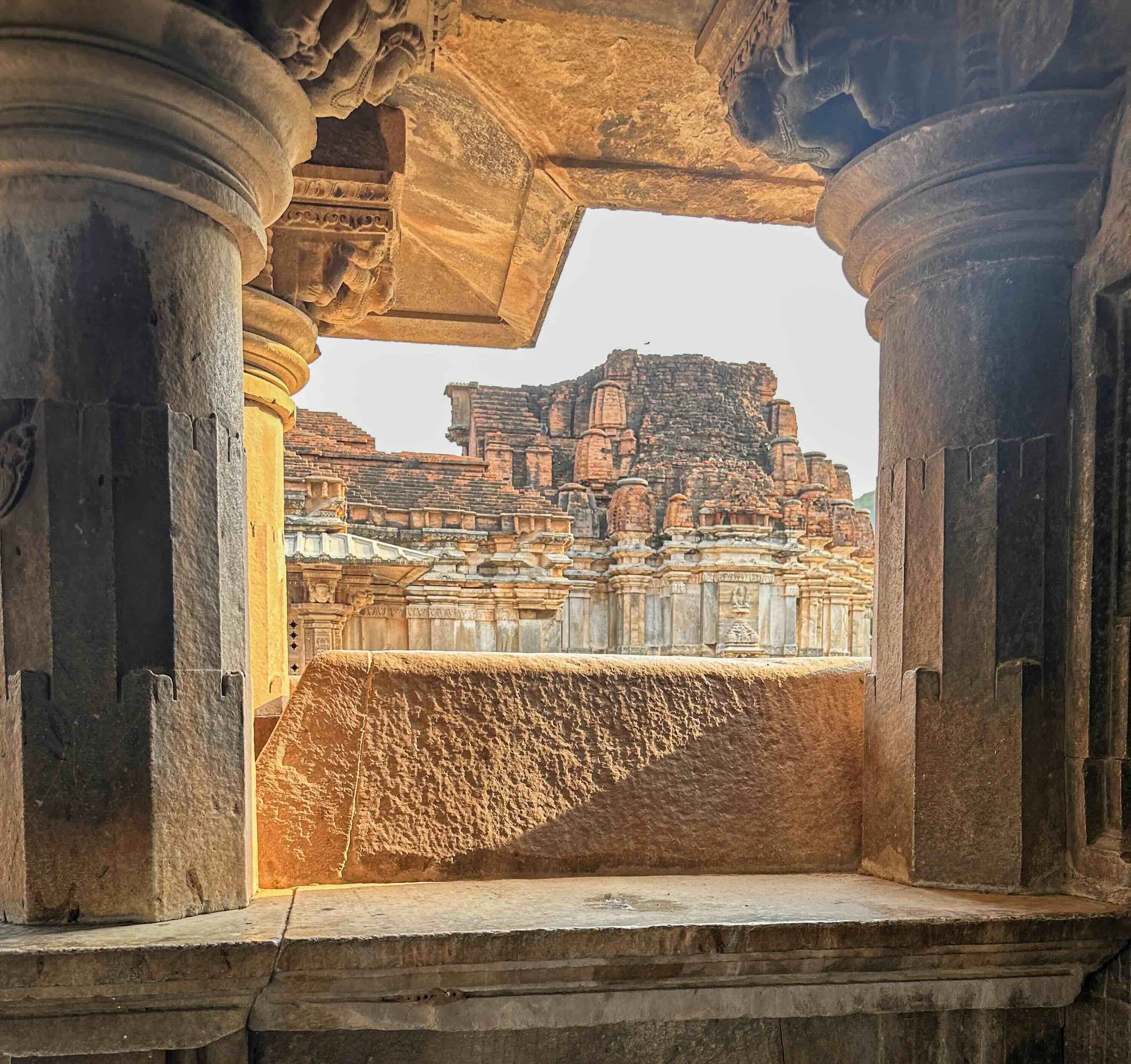
From Delhi we travel through to Jaipur (+ Bagru day trip), Bundi, Jodhpur (+ Pipar day trip), Chandelao, Jodhpur airport and back to Delhi. We move beyond the monuments into the village workshops where families of printers, weavers, embroiderers and natural dyers have practised their craft for generations.
We stay in private heritage havelis and move at a considered pace, prioritising the daily rhythm of the craft over brief demonstrations. It is an opportunity to settle in—to watch the light, the indigo vats and the steady hands of the masters.
Small groups of six to eight women.
Time to look, to absorb and to simply be.
I’m happy to discuss the pace, the textile focus, or the specific regions we visit.
Dates for February & October 2027 are currently being finalised for our small group. Enquire below to be the first to receive the confirmed itinerary.
Let’s Start a Conversation
I personally lead every journey and I want to ensure it’s the right fit for your interests and pace.
Whether you have questions about the textiles, the walking, or the heritage stays, I’m happy to speak with you directly.