JOURNAL
The Umbrellas That Started Everything
Kerala, craft, and the beginning of a longer journey
It was around twenty-five years ago. My daughter was six, and I was still working in television, producing and developing documentaries. After spending time with family in Bangalore, we decided to travel south to Kerala for a holiday. It was there, almost by accident, that everything changed.
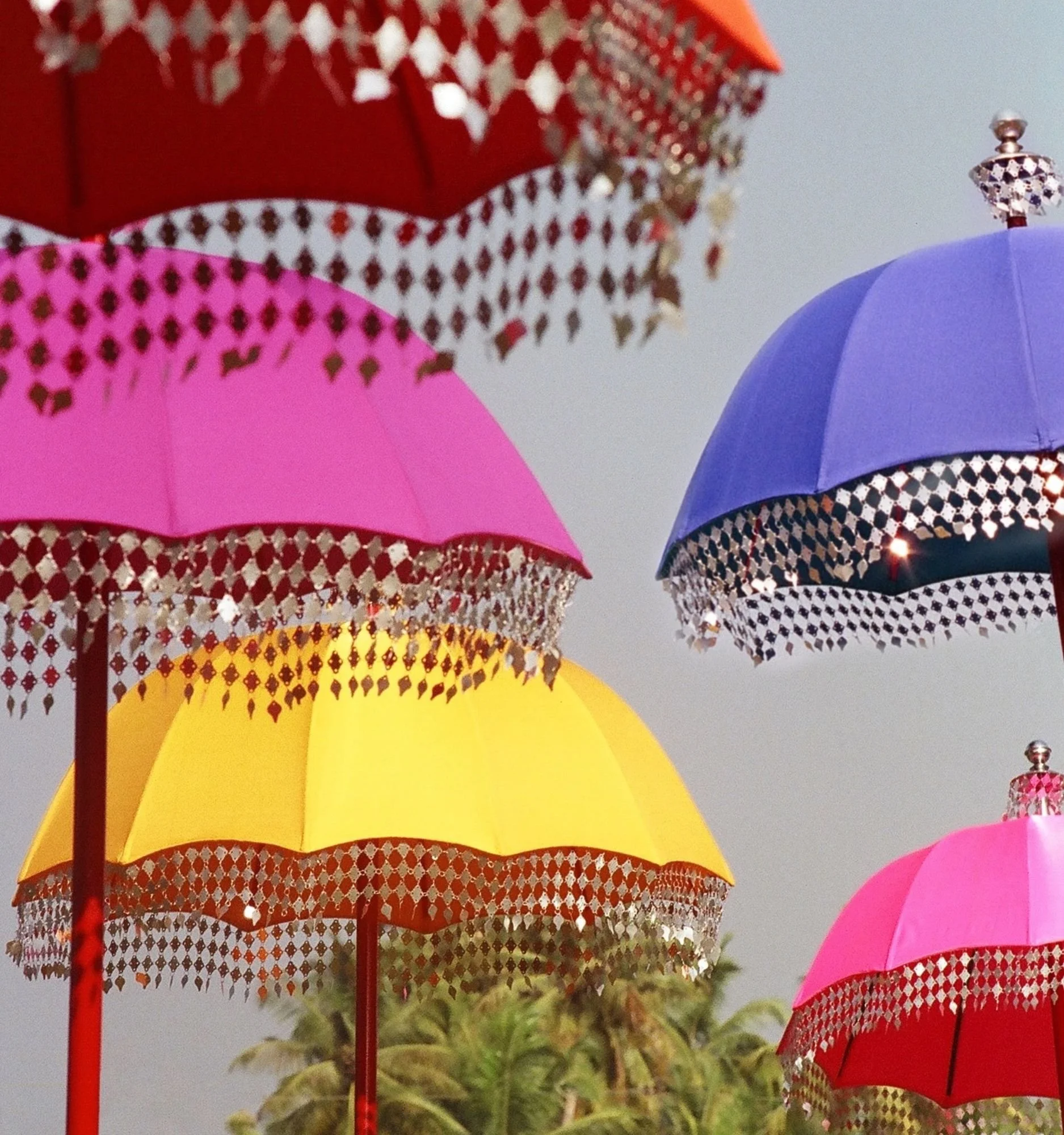
We arrived during the elephant festivals. Processions moved slowly through temple grounds, the elephants adorned and ceremonial, and above them — catching the light — were the most extraordinary umbrellas. Highly decorative, richly coloured, held aloft with quiet authority. They were both practical and celebratory, objects of craft rather than ornament.
A friend I was travelling with — who would later become a business partner — turned to me and said, almost casually, they’d look amazing in British gardens. It was a throwaway comment, but it stayed with us. We were both instinctively drawn to the idea that something so rooted in place might travel.
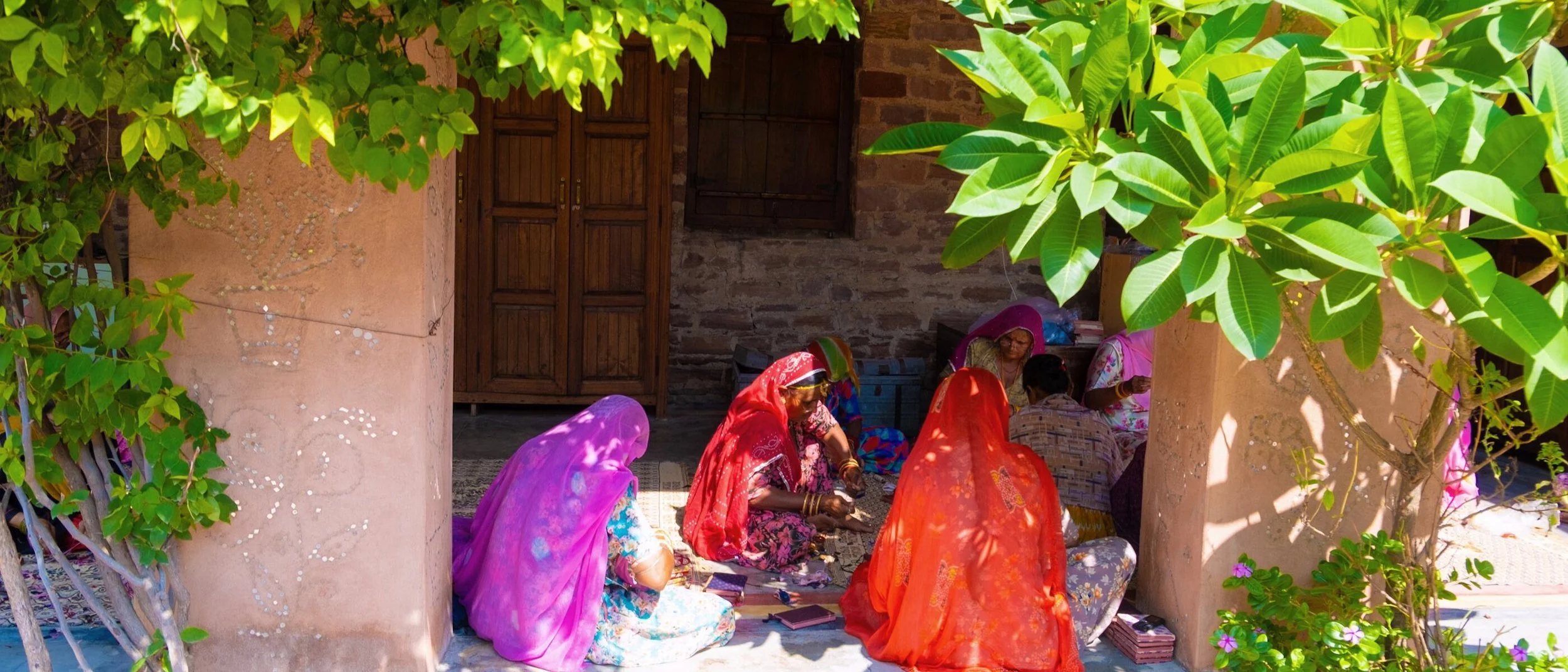
At the time, I had no intention of starting a business. But curiosity has a way of opening doors. We began visiting temples to learn more about the umbrellas, discovering they were ceremonial pieces, traditionally made by artisans — often women — for temple use. Eventually, we found a small, family-run workshop and began talking about whether it might be possible to adapt the umbrellas for a very different context.
That process was naïve, practical, and full of lessons. The fabrics needed to be stronger. The trims had to be aluminium so they wouldn’t rust in British weather. We placed an order for 250 umbrellas and learned, very quickly, about shipping — and about what happens when wooden frames arrive in the UK damp because no one has told you about moisture content and international transit.
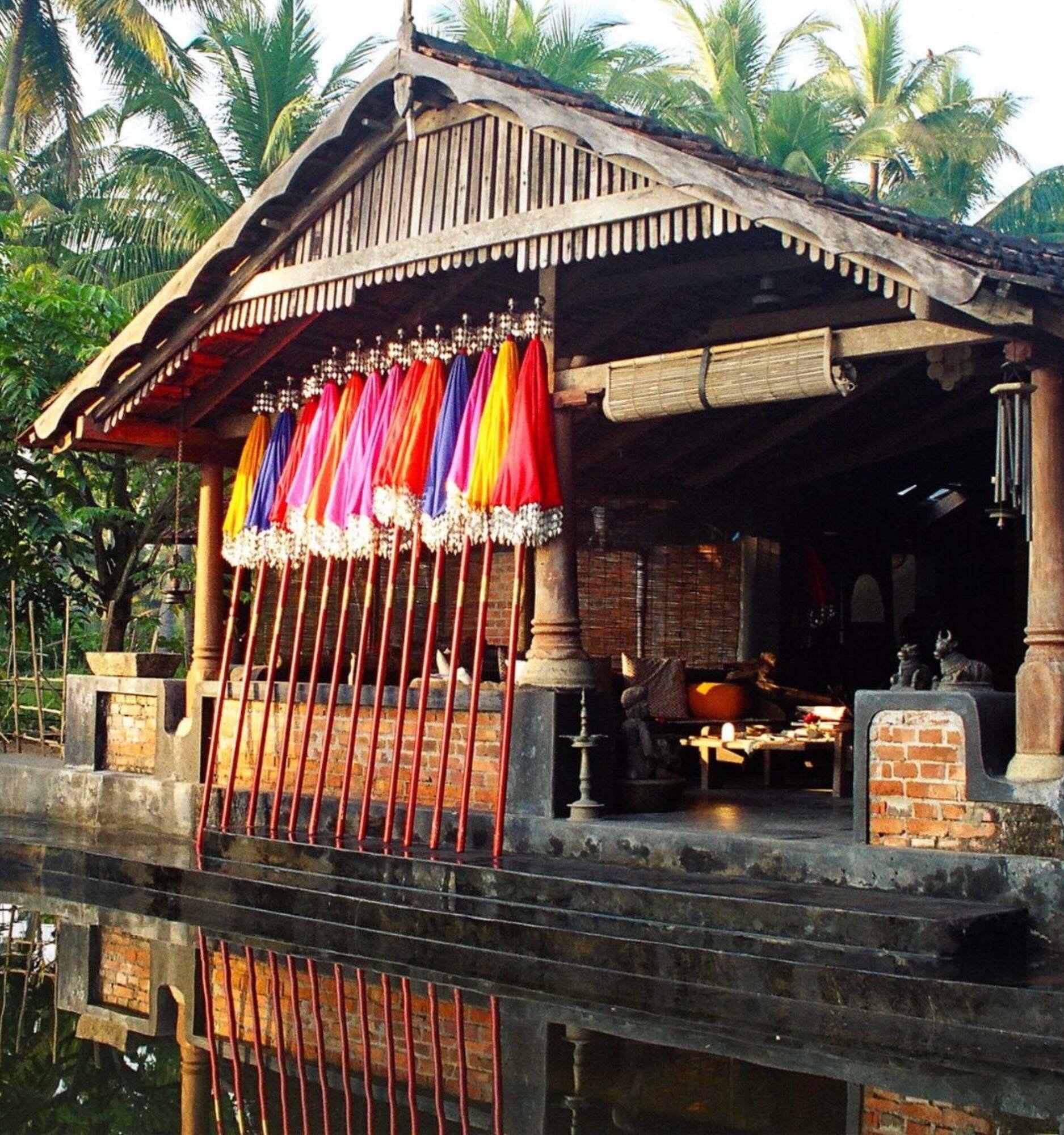
The umbrellas arrived wet. We dried them, repaired them, loaded them into the back of the car and began selling them to shops in London, who took them immediately. We did a few trade shows. Demand grew. We went back to Kerala — this time armed with dehumidifiers, new specifications, and a growing understanding of how difficult it is to produce well in a climate where humidity is constant.
We worked with other workshops, refined the designs, and expanded production. Eventually, we were shipping multiple containers a year, selling umbrellas internationally, and later developing them in Bali as well. For a time, we became known for them.
What mattered most, though, wasn’t scale. It was learning how to take something traditional and adapt it — carefully — for a different environment without losing its integrity. The umbrellas became more robust, colourfast, able to withstand European weather. That same thinking later shaped the development of the Indian garden tents: rooted in tradition, adapted with respect, and made to last.
During those years, I spent more and more time in India, working with artisans, craftspeople and small family businesses. Not as an outsider passing through, but as someone learning — sometimes the hard way — how craft, climate, material and context are inseparable.
Looking back, the umbrellas were never just products. They were an education. And they were the beginning of everything that followed.